
DAILY BRIEF
Is fat really bad for your health?
Consumer Public Interest Network Holds ‘Education on Understanding Livestock Products’
Is fat always harmful to health? What role do livestock products, including meat, play in a healthy diet?
Educational sessions have been organized to dispel consumer misconceptions surrounding livestock products and health, and to examine changing dietary standards.
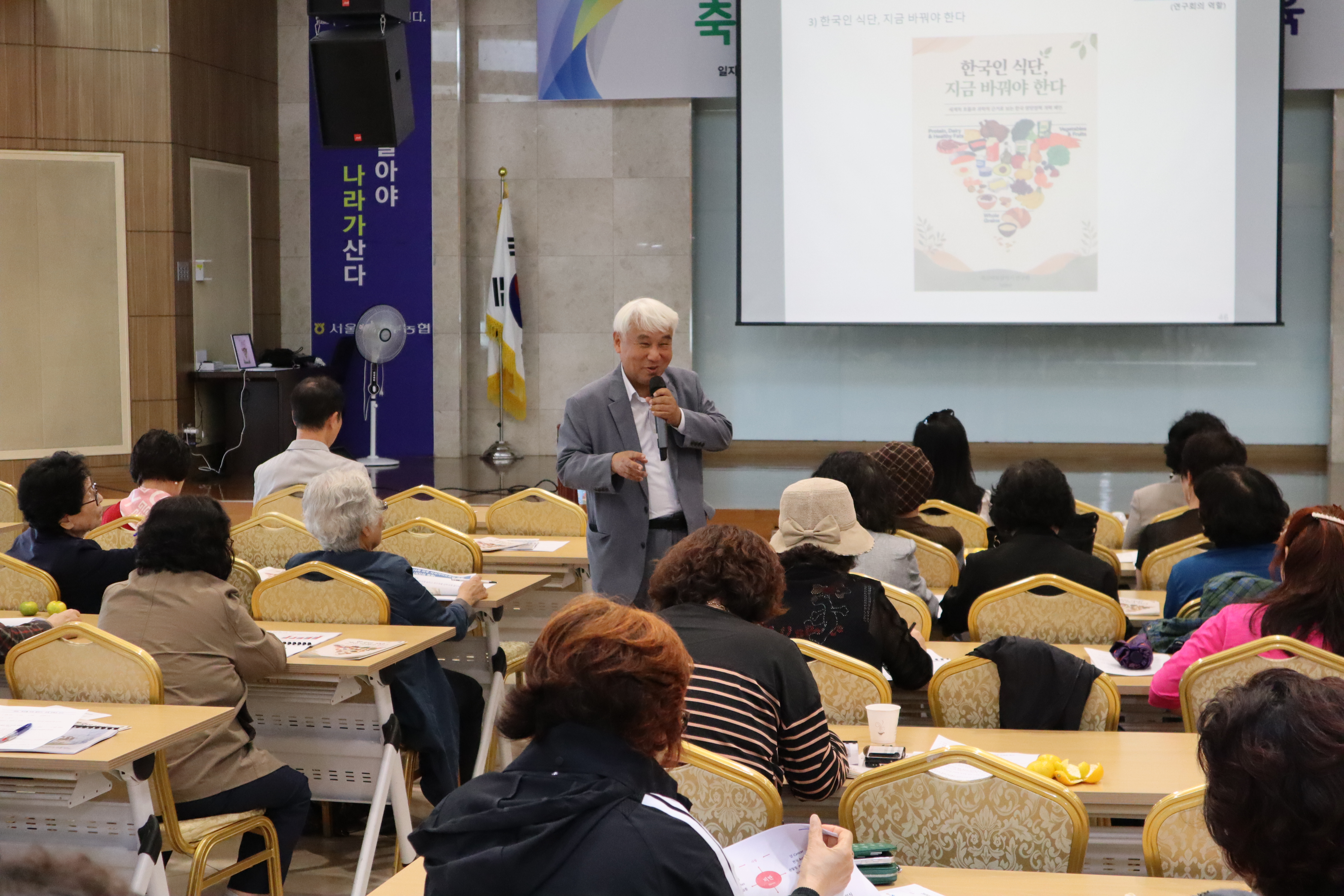
The Consumer Public Interest Network (Chairperson Kim Yeon-hwa) held the ‘2026 Livestock Product Awareness Education’ at the main auditorium of the Seoul Southwest Agricultural Cooperative on October 7.
This education program was organized to help consumers correctly understand the nutritional value of livestock products and make rational food choices based on various dietary information.
The lecture was delivered by Professor Emeritus Choi Yoon-jae of Seoul National University (President of the Research Association for Correct Understanding of Livestock) on the topic of ‘Livestock Products and Health: Misconceptions and Truths.’
Is fat a nutrient that should be avoided at all costs?
The training on this day primarily covered changes in perception regarding fat and cholesterol.
Although fat is commonly perceived as a nutrient that has a negative impact on health, it actually performs various functions necessary for the human body, such as serving as an energy source, a source of essential fatty acids, and aiding the absorption of fat-soluble vitamins.
Professor Choi introduced the background behind the past emphasis on low-fat diets and the subsequent changes in related research and dietary guidelines, explaining that rather than unconditionally avoiding fat itself, the types of fat, methods of consumption, and the overall composition of the diet should be considered together.
Rather than judging the health value of food based on a single specific nutrient, it is important to properly combine animal and plant-based foods and consume necessary nutrients in a balanced manner.
‘Real Food’ Over Low-Fat… Changing Dietary Standards
Recently changing dietary guidelines in the United States were also introduced.
In education, the concept of ‘Real Food’ was highlighted, focusing on the 2026 revision of the U.S. Dietary Guidelines.
Dietary guidelines were presented to include livestock products such as meat, protein and dairy products, vegetables and fruits, healthy fats, and whole grains in the diet, while reducing the intake of ultra-processed foods, refined carbohydrates, and added sugars.
This explains that rather than focusing simply on reducing fat intake, it is necessary to consider the nutritional characteristics of food, the degree of processing, and the balance of the overall diet together.
In addition, it was emphasized that for a healthy diet, not only proper nutrition but also the management of overall lifestyle habits, such as consistent exercise, sufficient sleep, and weight and stress management, is important.
Emergence of Cell-Cultured Livestock Products… Consumers’ Right to Know Is Also Important
New food technologies, including cultured meat, were also covered in the education.
This study introduced various examples of alternative livestock products, such as cultured meat produced by culturing animal cells and artificial milk and eggs utilizing microorganisms and yeast, and compared their production methods and compositional characteristics with those of conventional livestock products.
In particular, it was emphasized that accurate information regarding production methods and product characteristics must be provided so that consumers can fully understand the differences from existing livestock products and make informed choices, especially in the context of emerging food technologies and products.
An official from the Consumer Public Interest Network stated, "While various information regarding livestock products and health is available, it is important to examine the overall diet and consumption methods together, rather than simply classifying specific foods or nutrients as good or bad."
He added, “We will continue to provide education and information tailored to consumers’ needs so that they can more easily understand the nutritional value of livestock products and information on changing dietary habits, leading to rational food choices.”
Meanwhile, this training was organized as part of the ‘Promoting Awareness of Livestock Products’ project, jointly promoted by the Sharing Livestock Movement Headquarters and the Consumer Public Interest Network.
- #축산물
- #유통
Related Content

DAILY BRIEF
Cyberattacks on European Cold Storage Facilities Continue… EU Urges Urgent Security Measures
European Union (EU) authorities have launched a joint response following a series of cybersecurity incidents targeting commercial refrigeration facilities in Europe. Digital security for refrigeration equipment is also emerging as a major management challenge in distribution sites handling temperature-sensitive foods, such as meat.
2026.11.6
DAILY BRIEF
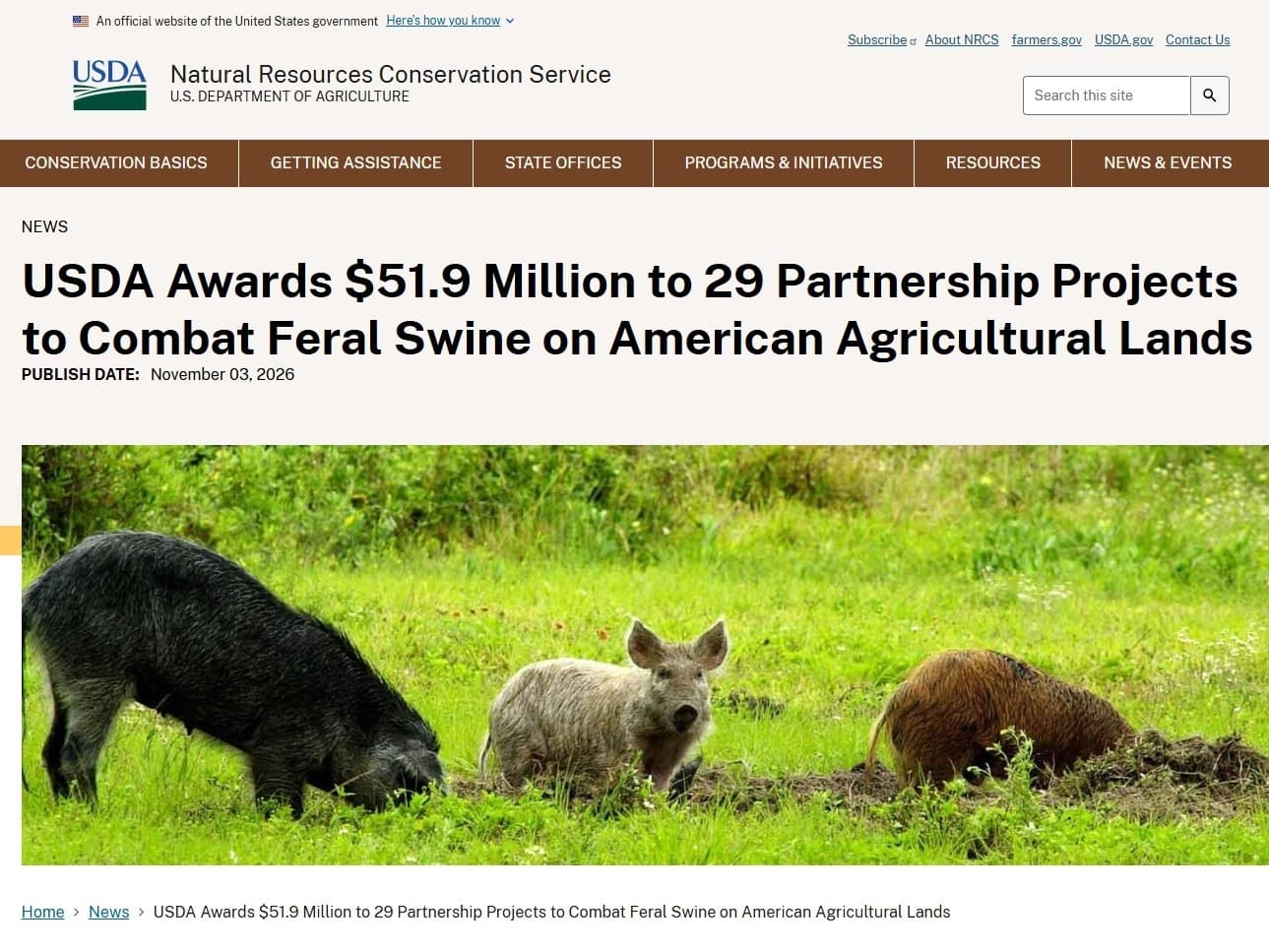
U.S. USD Provides $51.9 Million for Wild Boar Control and Management
The U.S. Department of Agriculture (USDA) is providing a total of $51.9 million to 29 cooperative projects in 13 states to reduce agricultural damage caused by wild boars and protect the health of livestock and people.
2026.11.6
DAILY BRIEF
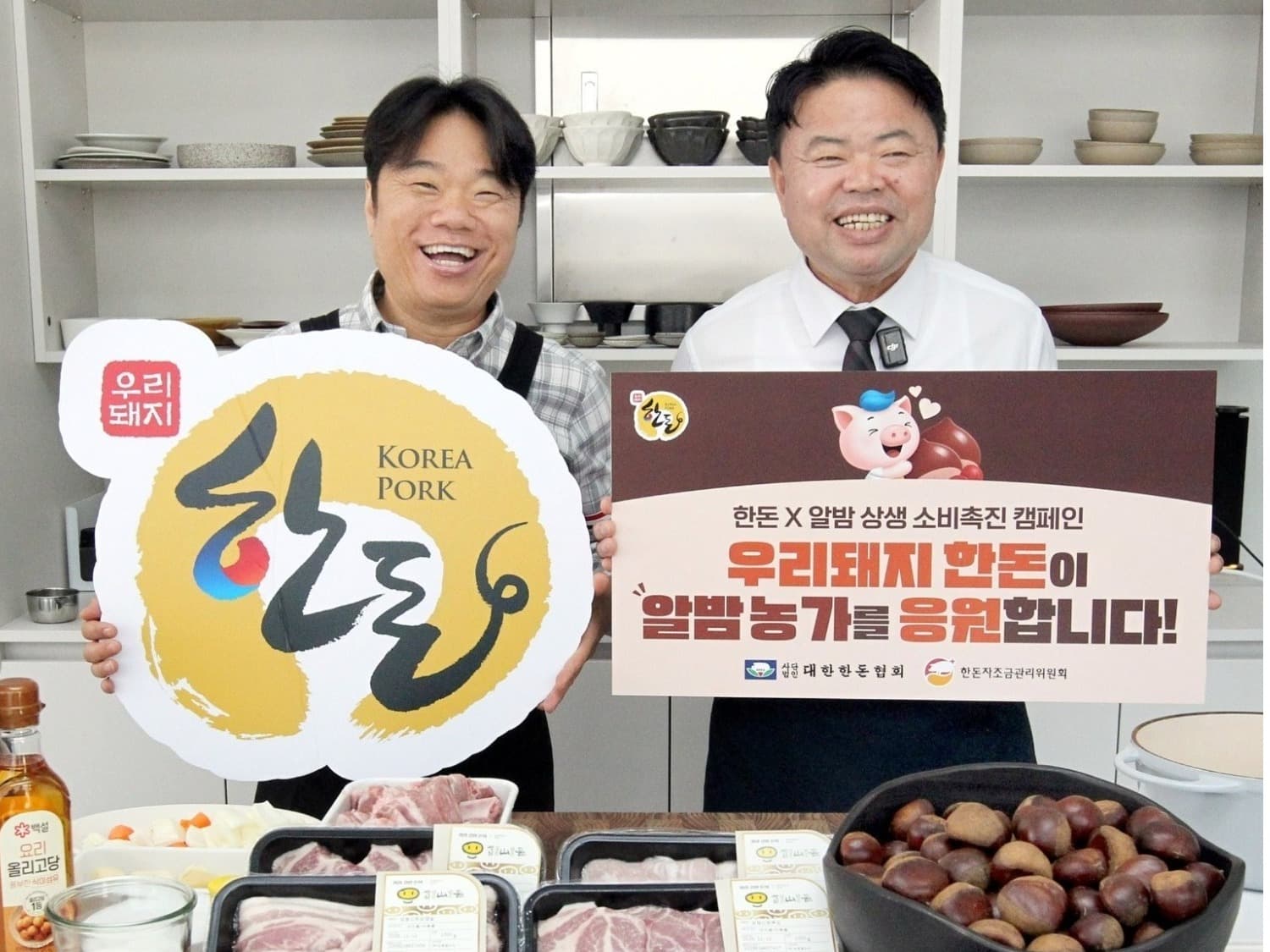
The Meeting of Korean Pork and Domestic Chestnuts… ‘Ok-Jubu’ Jung Jong-cheol Unveils 3 Dishes for Coexistence
The Korea Pork Self-Funding Committee announced on the 6th that it filmed special cooking content for ‘Han-don x Our Night’ on November 5th with comedian Jung Jong-chul, an honorary ambassador for Han-don, and Chairman Lee Ki-hong.
2026.11.6