
terrestrial broadcast
[National Assembly Audit] “KALP receives fees, but slaughterhouses bear the costs”… Rep. Moon Dae-rim urges system improvement during audit
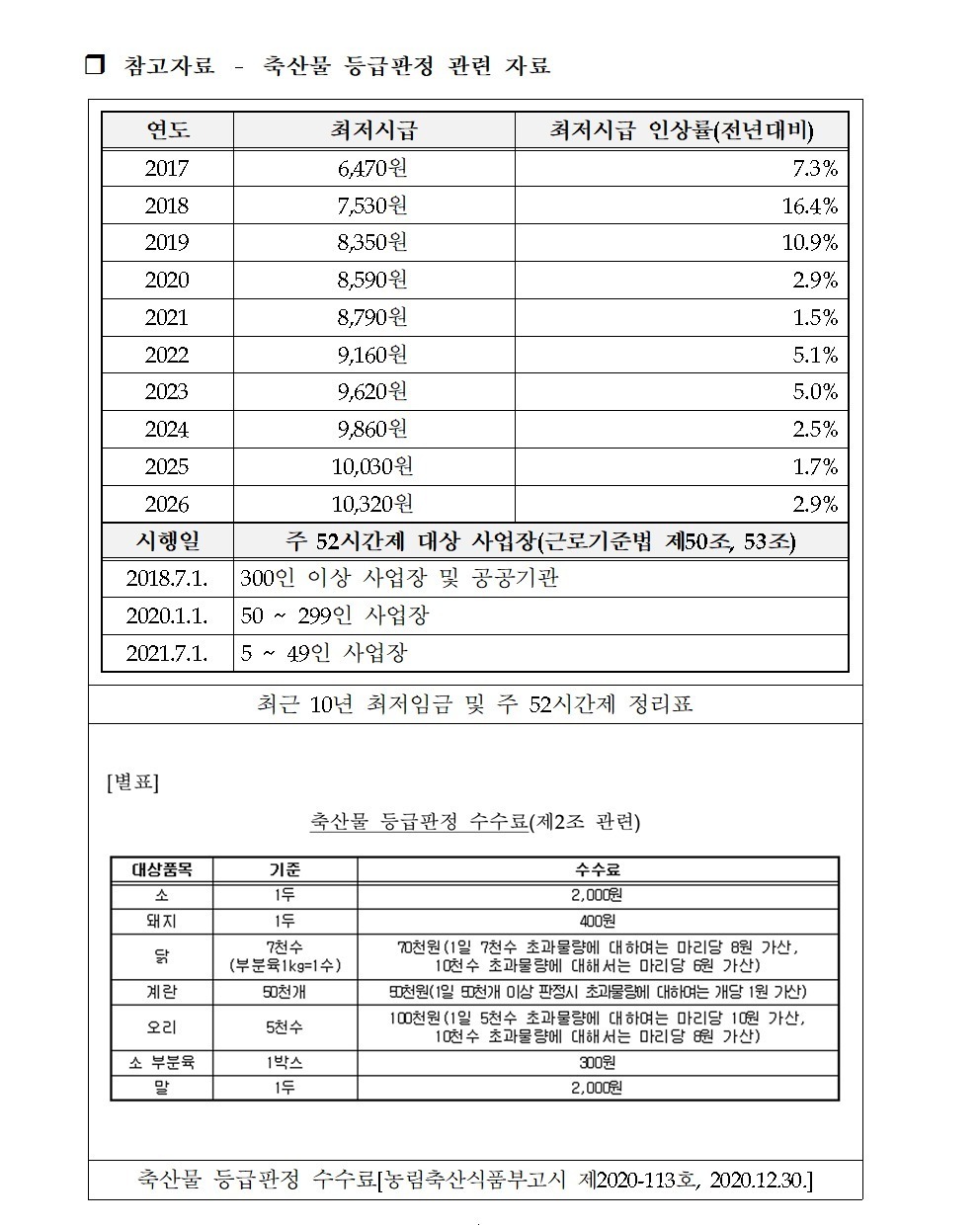
Annual grading fees of approximately 10 billion won cited… Burden of beef carcass cutting and preparation costs pointed out
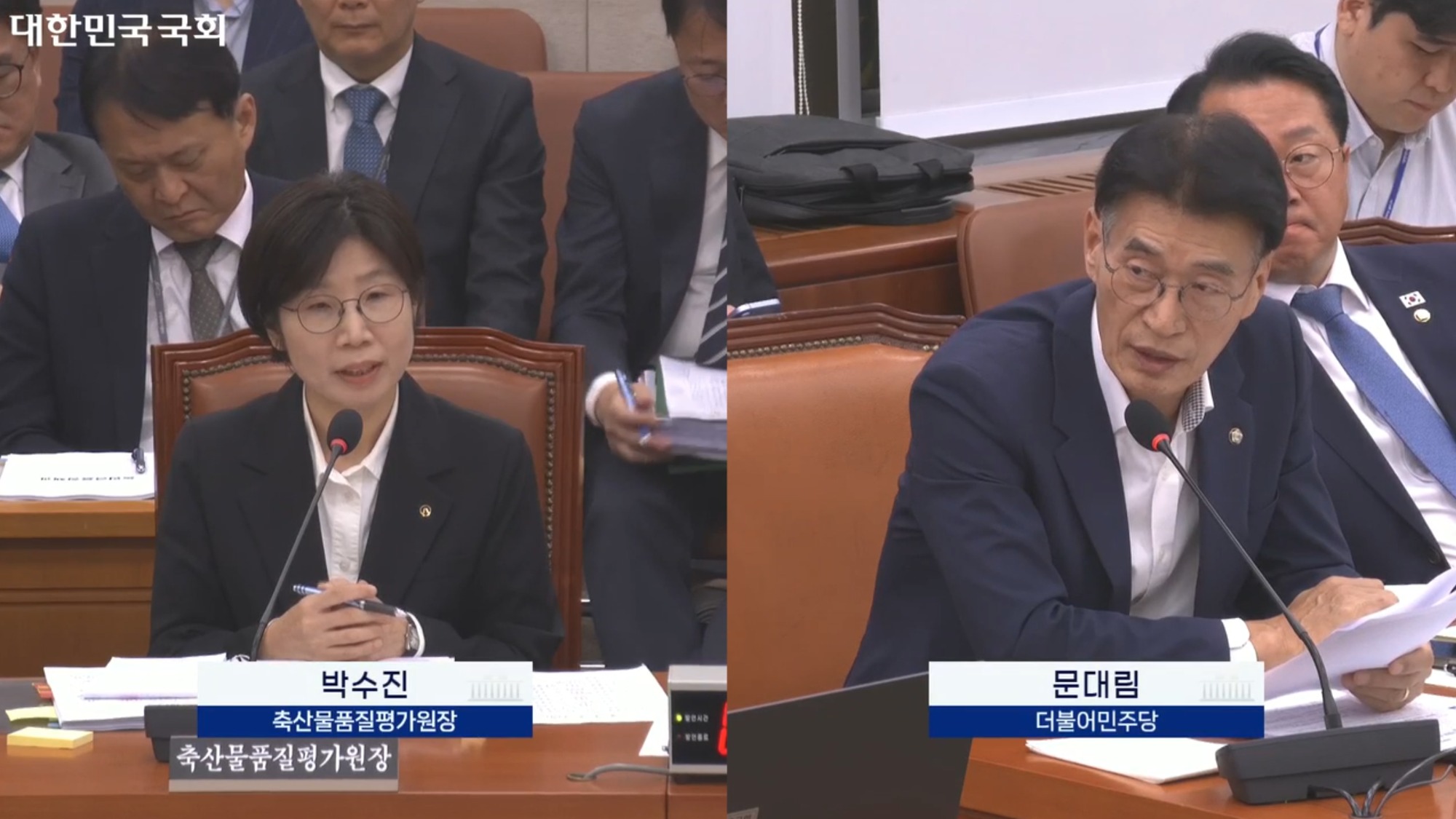
The burden of electricity costs for slaughterhouses and the costs of cutting work required for grading cattle carcasses were raised as tasks for institutional improvement during the 2026 parliamentary audit. While the Korea Animal Products Quality Evaluation Institute stated that it collected 11.8 billion won in grading fees last year, it was pointed out that the slaughterhouses are actually bearing the labor and costs required for the cutting work.
Representative Moon Dae-rim of the Democratic Party of Korea (Jeju-si Gap) raised two issues during the parliamentary audit of the Agriculture, Food, Rural Affairs, and Fisheries Committee on October 7 and demanded practical improvement measures from the Ministry of Agriculture, Food and Rural Affairs and the Korea Animal Products Quality Evaluation Institute. On the same day, the Korea Livestock Processing Association’s press release dated October 8 regarding the audit findings specifically included cases of increased electricity costs at slaughterhouses, responses from government officials, and the association’s position.

Jeju Livestock Cooperative Auction Market Electricity Bill Jumps from 870 Million Won to 1.8 Billion Won… Burden of Expiration of Special Discounts
Representative Moon pointed out that high electricity costs at slaughterhouses are exacerbating their financial difficulties. According to data from the Korea Livestock Products Processing AssociationThe special 20% discount on electricity bills for slaughterhouses expires on December 31, 2024.The burden on related industries has increased due to the combined effect of rising industrial electricity rates.
Representative Moon cited the Jeju Livestock Cooperative's livestock auction market as a specific example. The annual electricity bill for the said market isFrom approximately 870 million won in 2021 to approximately 1.8 billion won in 2025It was explained that it increased. This is an example of a specific auction market and does not represent the average growth rate of slaughterhouses nationwide.

Representative Moon [mentioned] Agricultural Product Distribution Centers (APCs), Fishery Product Distribution Hub Centers (FPCs), TMR feed manufacturing facilities for self-consumption, Rice Processing Centers (RPCs), etc.Agricultural electricity is applied to some agricultural, livestock, and fishery product processing facilities.Mentioning that it is possible, they raised the issue of equity with slaughterhouses. The facilities for which the industry requested the application of agricultural electricity rates are not all slaughterhouses.Pre-cooling room required for the hygienic processing and storage of livestock productsam.
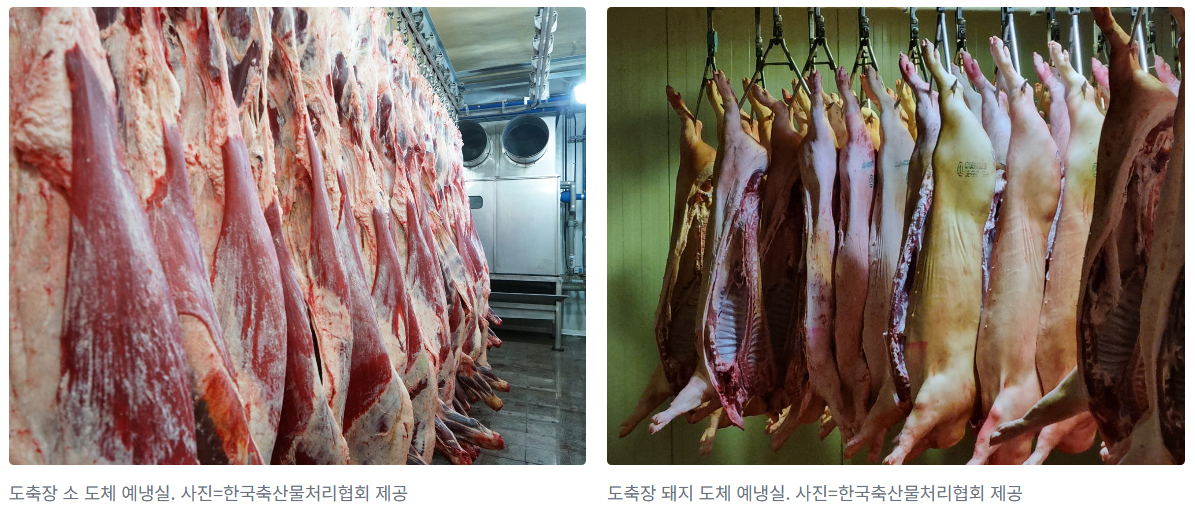
Representative Moon urged the Ministry of Agriculture, Food and Rural Affairs to actively consult with the Korea Electric Power Corporation and relevant ministries to devise practical measures to alleviate the burden of electricity costs for slaughterhouse pre-cooling rooms. In response, Minister Song Mi-ryeong of the Ministry of Agriculture, Food and Rural AffairsI will visit KEPCO right away....answered.
The Minister's response indicates an intention to consult with relevant agencies, and it does not mean that the application of agricultural electricity rates to slaughterhouse pre-cooling rooms or new special electricity rate provisions has been finalized.
KAPE's grading fees totaled 11.8 billion won last year... Slaughterhouses bear the cost of incision work.
In the issue of rating fees, the key point of contention has been who should bear the work costs required for public rating tasks.
In the beef carcass grading process, the cross-section of the loin is checked to determine the meat quality grade, etc.Conductor cutting workThis is carried out as a necessity. Representative Moon pointed out that while slaughterhouses bear the manpower and costs required for this work, the Korea Animal Products Quality Evaluation Institute collects grading fees. He also suggested that the reality in which the administrative and material preparatory work necessary for grading is carried out by the slaughterhouses is an area for improvement.
Especially during Representative Moon's questioningPark Su-jin, President of the Korea Animal Products Quality Evaluation Institute, stated that revenue from grading fees last year (2025) was 11.8 billion won....in response. The scale of commission revenue, which had previously been discussed as an approximate amount, was presented in detail through the Q&A.

The fee is compensation for judgment work in accordance with laws and notices, and the entire fee revenue does not directly correspond to the cost of slaughterhouse cutting operations. What Representative Moon pointed out isA structure where the agency collecting fees and the entity bearing the costs of essential on-site work are differentThe point is that we need to check whether it is reasonable.
Representative Moon urged for the prompt resolution of the issue regarding the burden of costs for essential incision procedures. In response, Director Park Su-jinI will consult with the government and budget authorities....in response. Specific cost-sharing ratios, the scale of labor cost support, and implementation timing have not yet been presented.
Industry proposals from last July lead to parliamentary audit… Association proposes transfer of K-DIE and personnel cost support
These two pending issues are matters for which the Korea Livestock Products Processing Association has been requesting institutional improvements since before the parliamentary audit.
The association lastMeeting on current issues of the slaughterhouse industry at Assemblyman Moon Dae-rim's Jeju regional office on July 4At the time, Kim Myung-kyu, President of the Korea Livestock Processing Association, Cheon Chang-soo, President of the Jeju Livestock Farmers' Cooperative, and Baek Dong-woo, Head of the Jeju Livestock Farmers' Cooperative Livestock Auction Market, attended and discussed measures to stabilize the management of slaughterhouses and strengthen their public functions.
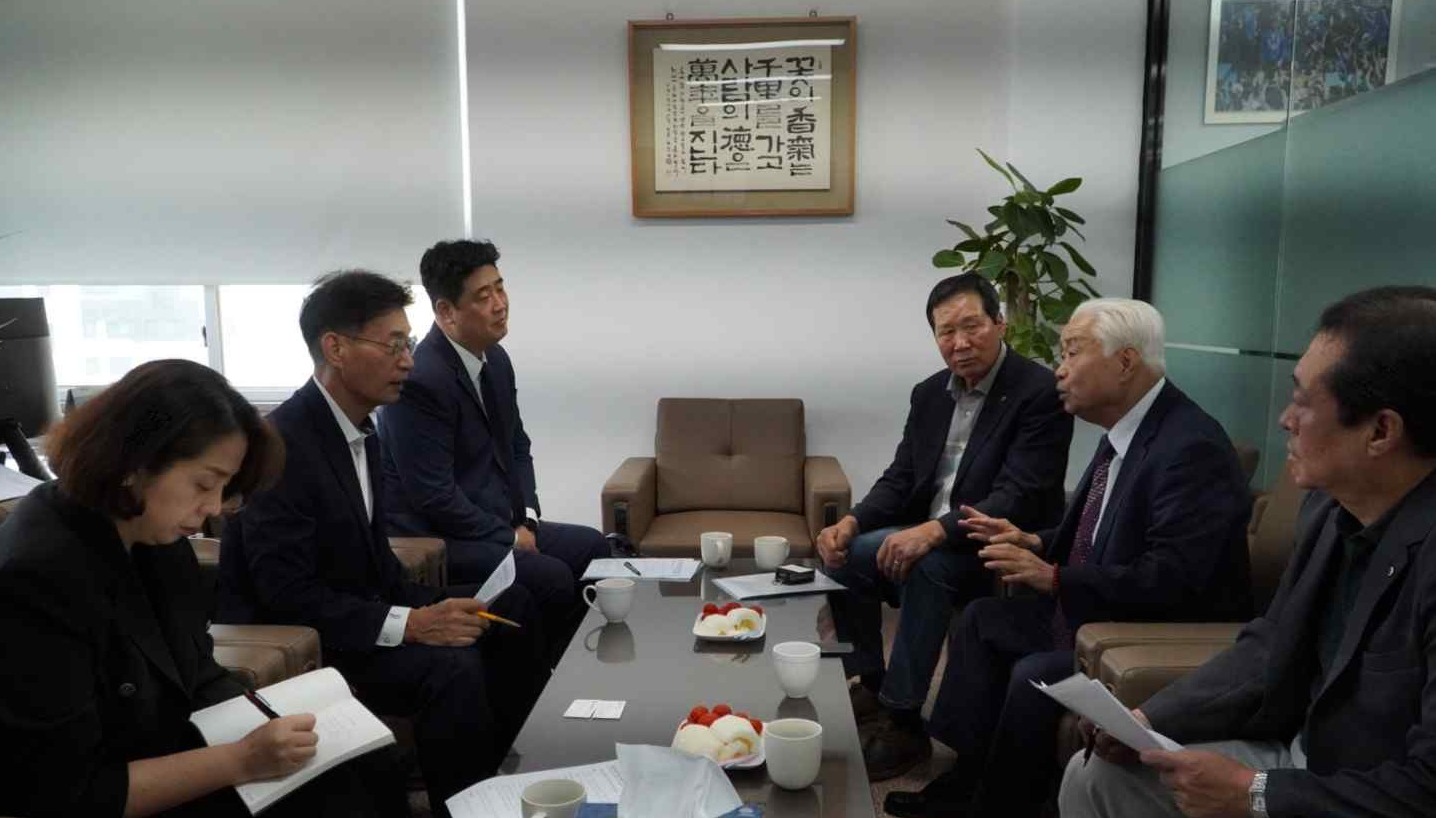
At the meeting, the association proposed the application of agricultural electricity rates to slaughterhouse pre-cooling rooms, while also explaining the reality that slaughterhouses are currently performing the cattle carcass cutting work required for mandatory grading under the Livestock Act.
As for the improvement planTransfer of incision duties to the Korea Animal Products Quality Evaluation Institute or Labor cost support system utilizing the Livestock Development Fund, state funds, and grading feesThey proposed a plan. This is an alternative requested by the association, and the government has not confirmed that it will adopt the plan.
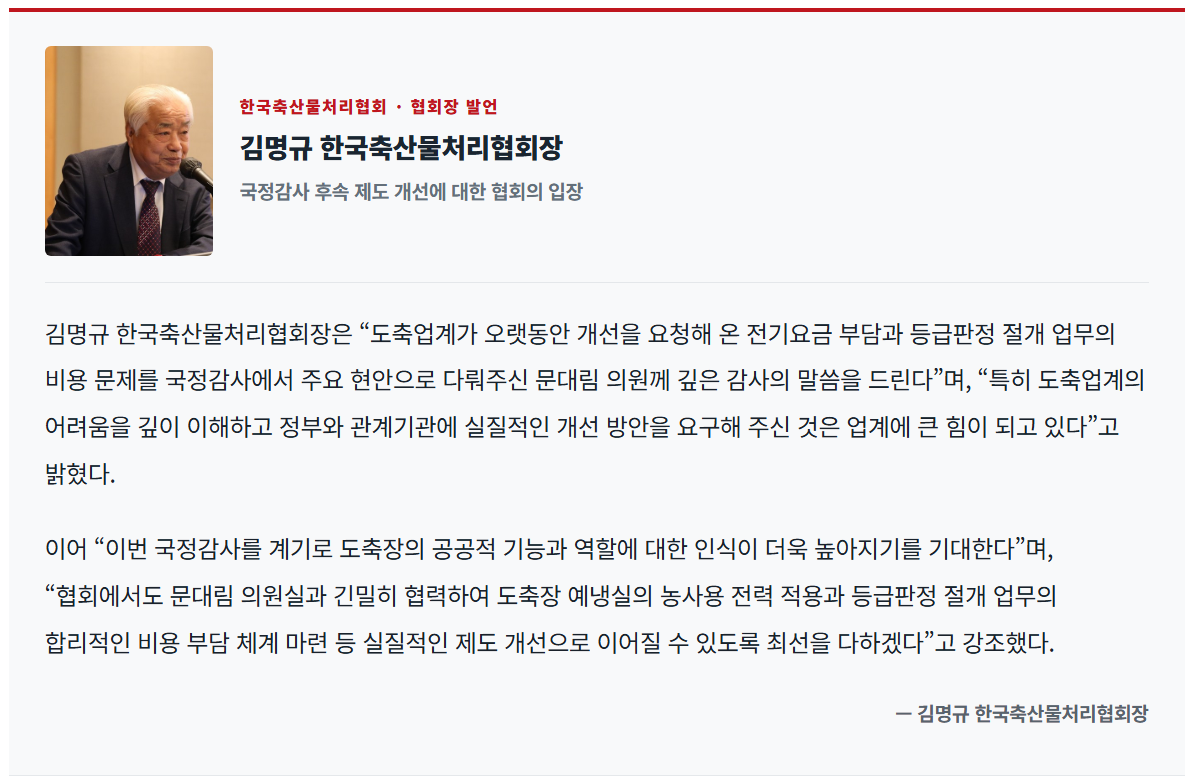
Association President Kim Myung-kyu: “Grateful that the issue was addressed during the parliamentary audit… Must lead to substantive institutional improvements”
The Korea Livestock Products Processing Association announced its position on the industry's pending issues being addressed during the recent parliamentary audit and its intention to cooperate in the future through a press release on October 8.
Will the costs of performing public functions lead to actual institutional improvements?
Representative Moon Dae-rim's questioning during this parliamentary audit is noteworthy for raising two issues—alleviating the burden of electricity costs for slaughterhouses and sharing the costs of essential grading tasks—through specific examples and the scale of fee revenue.
The issue of electricity rates centers on equity between some agricultural, livestock, and fisheries-related facilities subject to agricultural electricity rates and slaughterhouse pre-cooling rooms. The issue of grading costs focuses on how to link and share the revenue from public service fees with the costs of on-site preparation and cutting work.
However, the responses confirmed so far by the government and agencies extend only to an intention to visit KEPCO and consult with budget authorities. The actual application of agricultural electricity rates, the basis and funding for supporting labor costs for excavation work, and detailed implementation schedules have not yet been finalized. The remaining challenge is determining what follow-up measures will result from the industry's proposals, which began at a meeting last July, following discussions during the parliamentary audit.
- #축산물
- #정책
- #유통
- #품질관리
Related Content
terrestrial broadcast
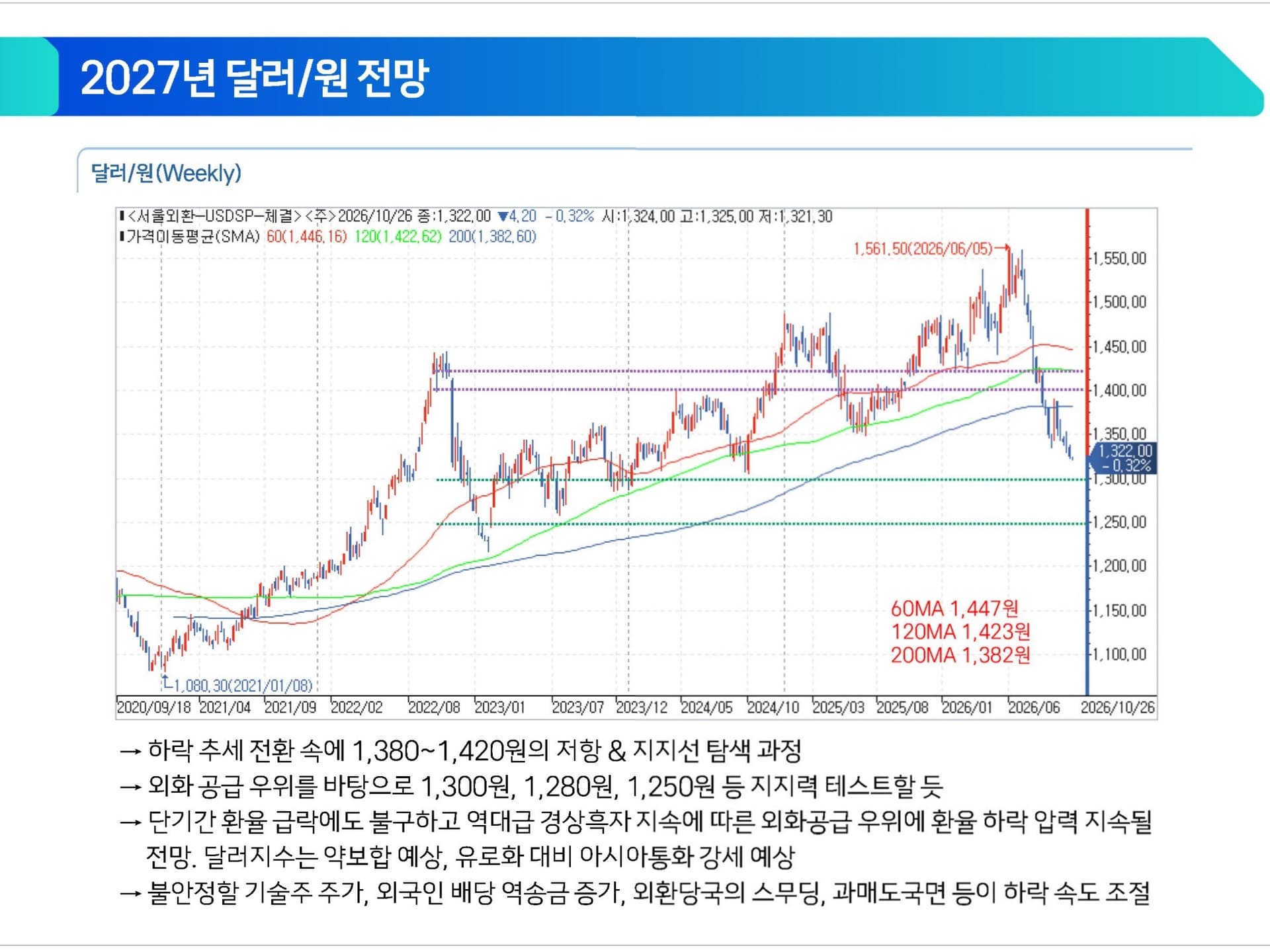
Dollars piling up in Korea… Will the exchange rate head below 1,300 won next year?
If the power to earn dollars is stronger than the demand to buy them, how low will the exchange rate fall? For Jung Mi-young, Director of the Research Center at Samsung Futures, who looks ahead to next year's won-dollar exchange rate, the starting point is the volume of dollars flowing into Korea.
2026.11.2
terrestrial broadcast
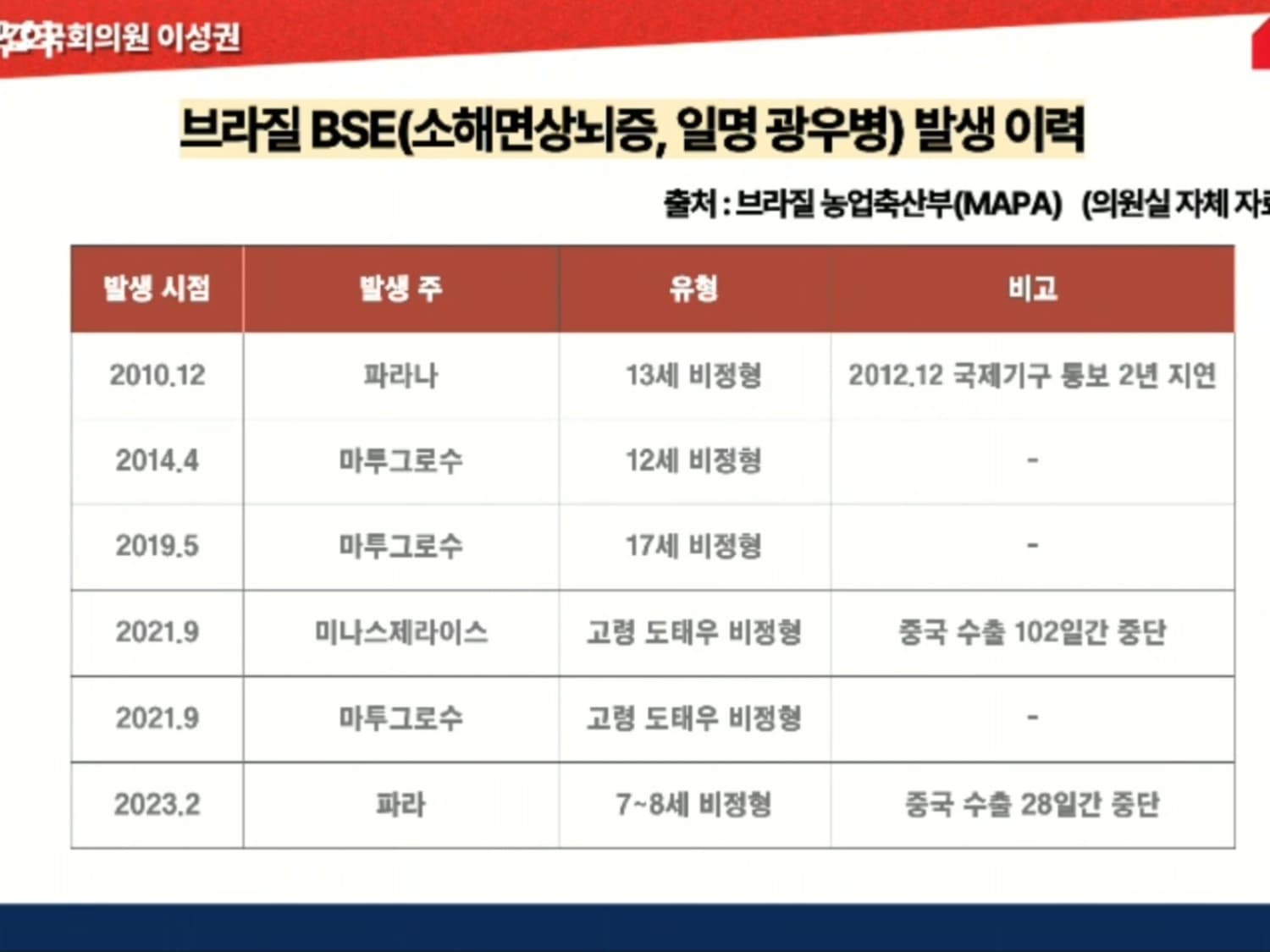
[Parliamentary Audit] 6 Cases of Mad Cow Disease and Controversy Over Notification Delays… Emerging as Key Issues in Brazilian Beef Import Negotiations
2026.10.7
terrestrial broadcast
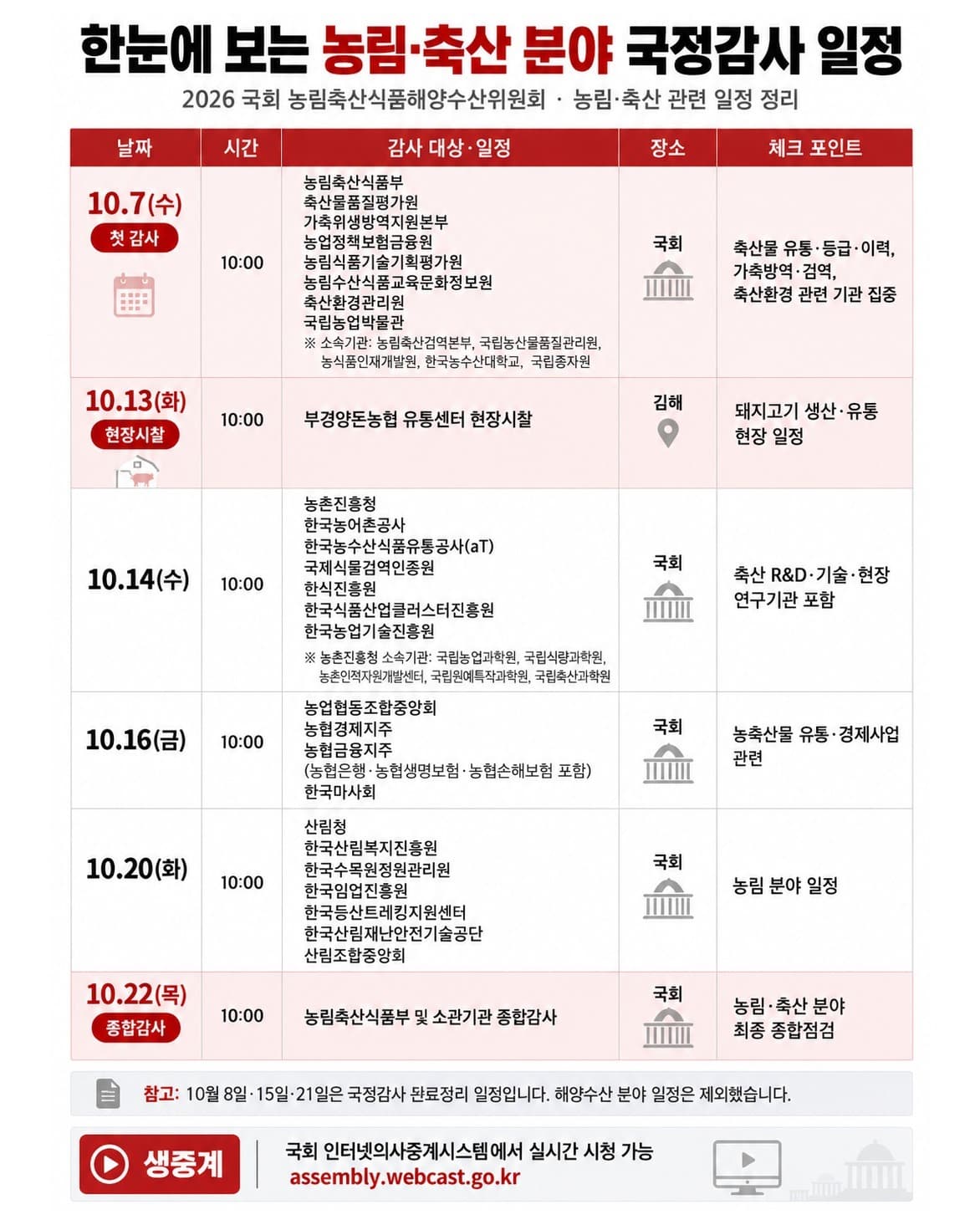
Parliamentary audit of the Ministry of Agriculture, Food and Rural Affairs begins on the 7th… Audits of the Korea Animal Production and Health Agency, Animal Disease Control and Prevention Agency, and Livestock Environmental Management Agency on the first day
The 2026 parliamentary audit of the National Assembly Agriculture, Food, Rural Affairs, and Fisheries Committee will begin in earnest on the 7th at 10 a.m., starting with the Ministry of Agriculture, Food and Rural Affairs. The overall parliamentary audit began on the 6th, and the first audit schedule for the agriculture and livestock sectors is the 7th.
2026.10.5