
Opinion
Meat Production and Climate Change: Time to Escape the ‘Carbon Tunnel Vision’ Trap
We must look beyond the indicator of carbon emissions and examine the environmental and nutritional roles of meat production.

전문가 기고
최현수과장(농학박사)
㈜선진 선진기술연구소 Meat&Food혁신센터
How should we view meat production to respond to climate change?
In addition to the goal of carbon reduction, I
It is suggested that nutritional security, soil health, industrial byproducts, and the characteristics of the methane cycle need to be examined together.
INTRO
Is the debate over climate crisis responsibility spreading to the dinner table really the right answer?
As the climate crisis has recently emerged as a global topic, our food supply—particularly meat consumption—is drawing attention as a major cause of greenhouse gas emissions. Many environmental groups and some policymakers argue that to combat climate change, we must drastically reduce livestock farming and shift to a diet centered on alternative proteins, such as soy or cultured meat. However, such arguments may be superficial conclusions based on viewing only a small part of the complex issue of the climate crisis.
In his latest presentation, Dr. Frédéric Leroy of the Free University of Brussels points out the major errors modern society makes when evaluating meat production. He termed the phenomenon of excessive focus on the single indicator of greenhouse gas levels "Carbon Tunnel Vision" and urges a broader, more integrated perspective for a sustainable food system. Based on the data and scientific evidence presented in Dr. Leroy's presentation, this paper aims to examine the correlation between the livestock industry and climate change from various angles.
01
Limitations of ‘Carbon Tunnel Vision’
LOOK BEYOND CARBON
The illustration in Reference 1 intuitively illustrates the current state of climate discourse. The figure in the picture is staring only at the single point of ‘reducing carbon emissions,’ while numerous other ecological and social issues are excluded from view.
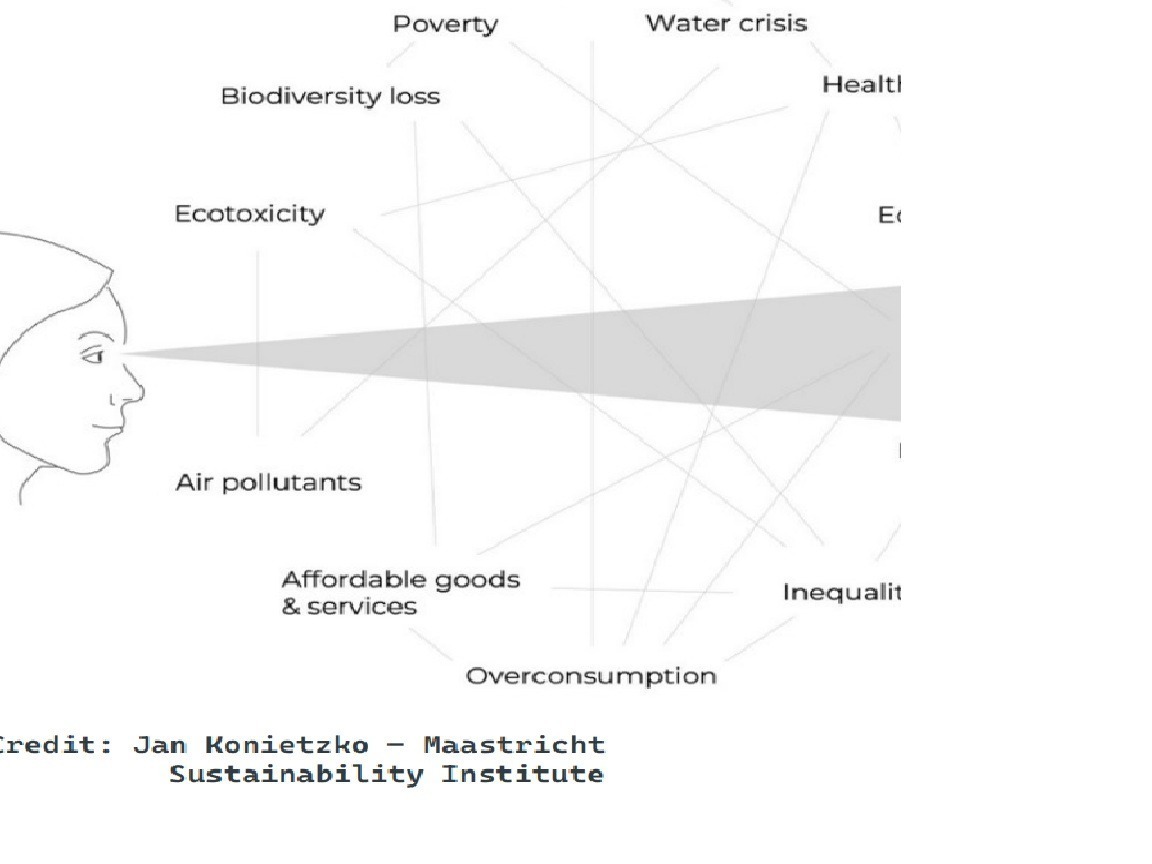
This illustration suggests that we must not become so fixated on the goal of carbon reduction that we overlook the trade-offs of the real world. If agriculture is intensified to the extreme to reduce carbon emissions, greenhouse gas emissions per unit may decrease, but there is a risk of causing water pollution, deterioration of soil health, and loss of biodiversity. The paradox, “Goals achieved, but the Earth destroyed,” warns of the potential side effects of carbon tunnel vision.

02
The Practical Effects of Dietary Shifts and the Current State of the Alternative Meat Industry
DIETARY TRANSITION & ALTERNATIVES
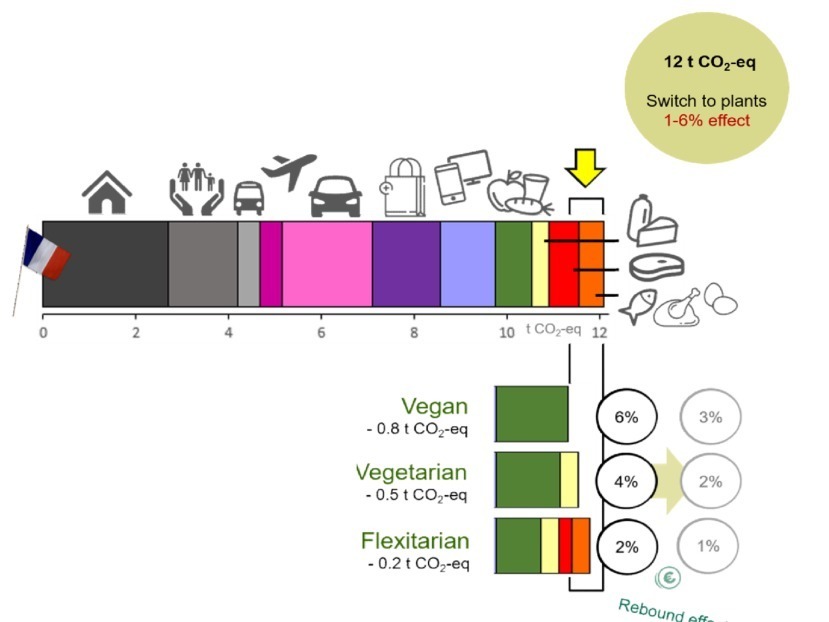
Contrary to the general perception that dietary changes will significantly reduce the carbon footprint, the effect is assessed to be limited. According to Reference 2, the carbon reduction an individual can achieve by switching to a vegetarian diet amounts to only 1–6% of total emissions. The majority of emissions originate from housing, transportation, and the consumption of services and goods.
The ‘alternative protein’ industry, which has garnered attention as an alternative to meat, is also facing various limitations. The market value of plant-based meat imitation companies has significantly declined due to factors such as taste limitations and cultural resistance. Analysis (Risner et al., 2023) has also reported that ‘lab-grown meat,’ promoted as climate-friendly, requires massive energy during the cell culture process, and depending on the production method, its carbon footprint can be up to 25 times higher than that of conventional beef. Technical and environmental challenges still remain before alternative meat can become a fundamental solution to the climate crisis.
03
Nutritional Value of Animal-Based Foods and Utilization of By-products
NUTRITION & BY-PRODUCTS
Policies that exclude livestock from the food system carry risks in terms of human ‘nutritional security.’ While it is estimated that eliminating all livestock in the United States would reduce the nation’s total greenhouse gas emissions by less than 3%, the population would face a higher probability of deficiencies in essential micronutrients such as vitamin B₁₂, iodine, calcium, and iron (White & Hall 2017). Animal products are an essential high-density nutrient source that supports nutrition, particularly for the elderly and growing children.
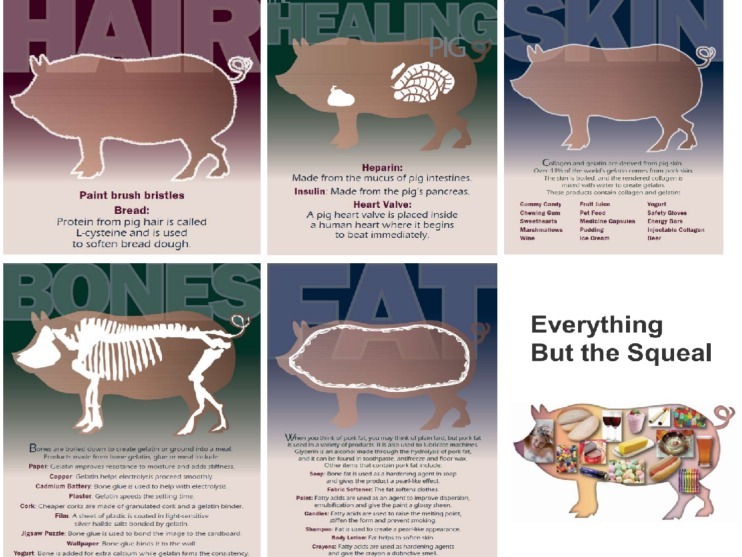
Furthermore, livestock goes beyond being a mere source of protein. The infographic in Reference 3 illustrates the numerous medical and industrial byproducts derived from pigs. Heparin (an anticoagulant) from intestinal mucosa, insulin from the pancreas, and gelatin extracted from bones contribute to the maintenance of human life and industry. The current simplified Life Cycle Assessment (LCA) for greenhouse gases has limitations in that it fails to fully reflect these added values..
04
Soil carbon sequestration and the natural baseline of ecosystems
SOIL CARBON & NATURAL BASELINES
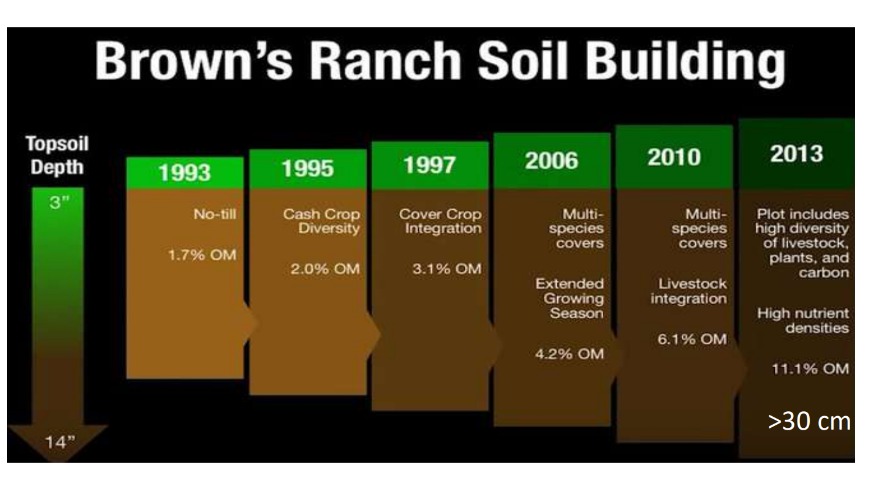
Contrary to the perception that livestock grazing damages nature, scientifically managed pastures serve as excellent ecosystem restoration and carbon sinks. The case of ‘Browns Ranch’ presented in Reference 4 shows that soil organic matter content increased from 1.7% to 11.1% following the introduction of a multi-species rotational grazing system. The interaction between the deep roots of grassland plants and livestock manure stably sequesters carbon deep within the soil.
Additionally, ‘natural baselines’ for methane emissions must be considered. In the past, tens of millions of wild bison inhabited the North American continent, generating massive amounts of methane. Today’s grazing livestock can be seen as partially replacing the ecological niches occupied by these vanished large wild herbivores. Therefore, defining methane emissions from modern livestock solely as new, artificial emissions is an approach that excludes the historical context of the ecosystem.
05
Improvement of biological methane cycle characteristics and evaluation indicators
METHANE & CLIMATE METRICS
There are scientific limitations to comparing carbon dioxide (CO₂) produced by the combustion of fossil fuels with methane (CH₄) emitted by ruminants on the same level. While carbon derived from fossil fuels accumulates in the atmosphere over hundreds of years, the biological methane emitted by cattle is converted into carbon dioxide through hydroxyl oxidation after about 12 years. This carbon is then absorbed by photosynthesis in pastures, forming a natural cycle. In other words, unless the number of animals raised increases continuously, livestock do not accumulate the total amount of carbon in the atmosphere.
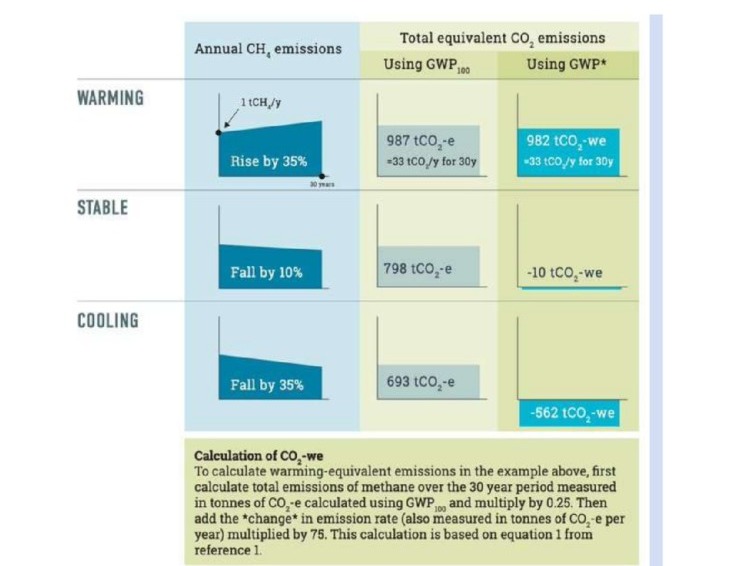
Accordingly, some in academia, including Dr. Leroy, propose the introduction of the ‘GWP*’ index, which accurately reflects the dynamic characteristics of short-lived gases, instead of the existing GWP100 (100-year Global Warming Potential) index. In fact, a re-evaluation of New Zealand’s livestock industry using the GWP* index has shown that lamb and beef production are at levels that are climate-neutral or do not contribute to global warming.
CONCLUSION
Establishment of a multidimensional indicator-based food system
Efforts to improve production efficiency in the livestock sector and reduce unnecessary greenhouse gas emissions must continue. However, an approach that blindly reduces livestock farming while fixated on a single indicator can lead to unexpected environmental and social costs. H.L. Mencken’s insight, cited by Dr. Leroy, that “for every complex human problem, there exists a simple, plausible, but wrong solution,” offers relevant implications for the current situation.
We must now move beyond the fragmentary criterion of carbon and comprehensively consider the maintenance of nutritional security, the stable supply of industrial byproducts, soil carbon sequestration capacity, and the characteristics of the biological methane cycle. Only when the complex functions and ecological roles of meat production systems are understood and managed in an integrated manner will it be possible to simultaneously achieve effective climate response and sustainable food security.

※ This page is based on the article and images provided by the author. The evaluations, arguments, and research citations in this text represent the contributor's views, and links to the original sources of the cited research are not included in the provided manuscript.
- #축산물
- #정책
- #품질관리
- #기술
Related Content
Opinion
Is delicious pork born or made?
Increasing farm productivity while stably supplying delicious meat that butchers and consumers can always trust and seek out—this is the future of Korean pork envisioned by meat science.
2026.10.24

Opinion
Supply and demand signals to read before price numbers
Column on Reading the Industry
2026.8.20
Opinion
Good deals ultimately create good industries.
Column on Reading the Industry
2026.8.19