
Butcher Shop & Restaurant
What's more important than the price of meat is the eye for it.
Survival Strategies for Meat Restaurants During a Recession with Chef Kang Leo
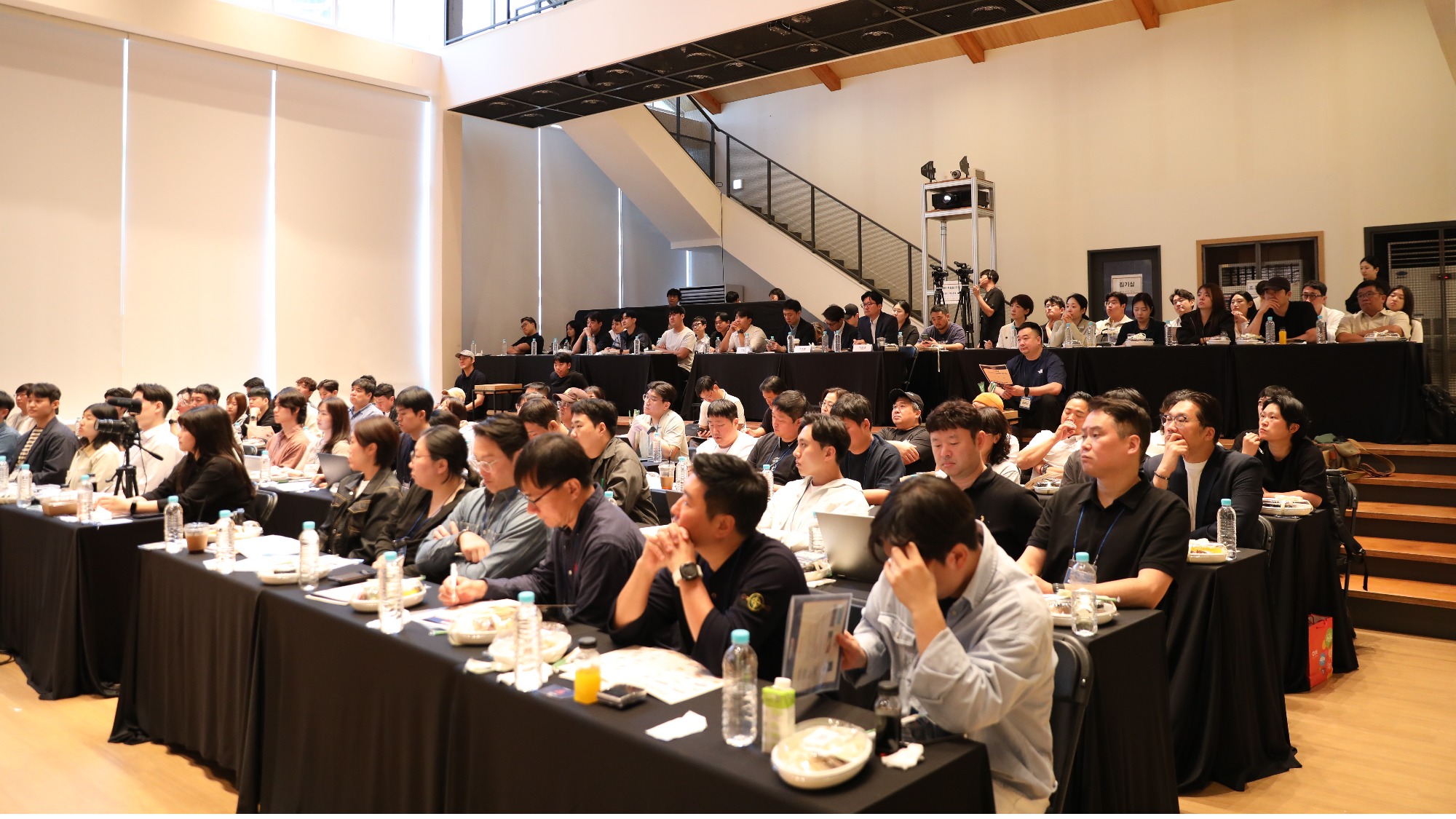
Meat restaurants are struggling. Customers are reluctant to spend, while the burden of labor and ingredient costs has increased. Raising menu prices is also not easy. Even when new menu items are introduced and promotions are intensified, there are many cases where profitability does not improve noticeably.
What should meat restaurants change first in times like this? This seminar posed the question that, before creating another new menu item, it is necessary to re-examine the raw materials currently being used.
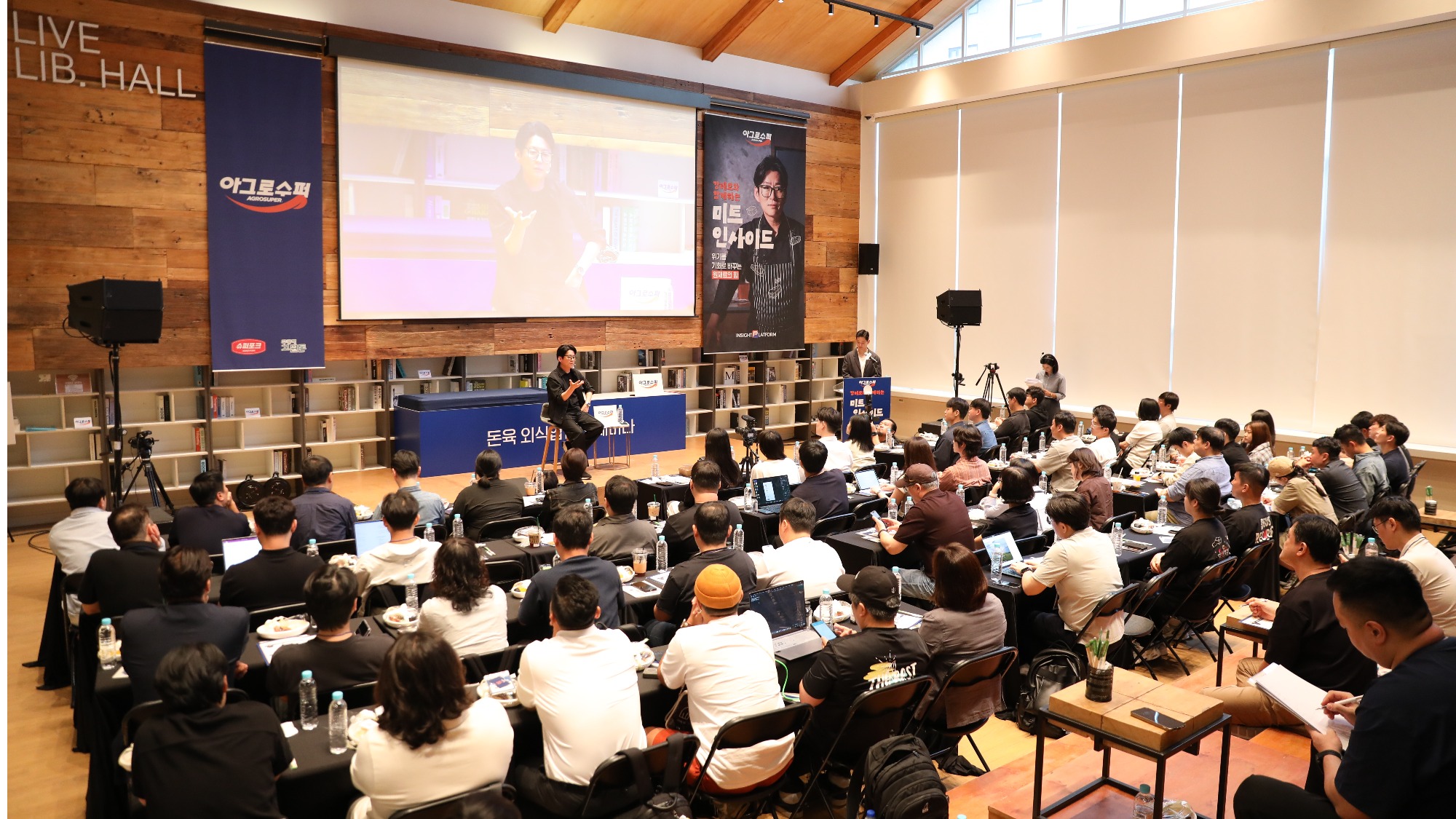
The ‘2026 AgroSuper x Insight Platform Pork Foodservice Vision Seminar,’ held on September 15 at Community House Masil in Myeongdong, Seoul, presented a new way to view raw meat to meat restaurant owners and food and distribution industry stakeholders under the theme of ‘The Power of Raw Materials to Turn Crisis into Opportunity.’
The program featuring Chef Kang Leo covered the characteristics and pros and cons of different pork cuts, criteria for selecting high-quality meat, and menu recipes and know-how for utilizing them. Cooking demonstrations and tastings were also provided.

Should we unconditionally look for cheap meat just because of a recession?
When business gets tough, the first thing that catches your eye is the cost of ingredients. The temptation to look for raw meat that is even a few hundred won cheaper per kilogram, and to switch to ingredients that are cheaper than usual, also grows.
However, in a meat restaurant, the price of raw meat is not the same as the actual cost of the menu items. Even if the raw meat is inexpensive, if a significant amount of fat or unnecessary parts must be removed, the actual usable portion after trimming decreases. If the size and thickness are inconsistent, cooking times will vary, and even when using the same recipe, the final product on the plate may differ.
Ultimately, what matters is not the purchase price, but the actual usable quantity and value. Chef Kang Leo's program also placed emphasis on the perspective of distinguishing and selecting valuable ingredients among various types of raw meat.
You should look at the ‘amount left on the plate’ rather than the price tag.
In a meat restaurant, raw meat is one of the biggest costs. Therefore, to manage costs, you must look not only at the purchase price but also at yield and loss.
Even with the same 1kg, the cost of a single dish can vary significantly depending on the actual sellable quantity after trimming and the amount of loss incurred during the cooking process. Additionally, using raw meat that does not match the menu creates another problem.
To complement the characteristics of the meat through cooking methods, the process may become complex and require additional ingredients and manpower. Conversely, if the characteristics of the raw meat match the menu well, the cooking process becomes simpler, and the meat's natural flavor can be brought out more easily.Good raw meat is not expensive raw meat, but rather raw meat that can be used most efficiently in the store.
Rather than delicious meat, ‘always the same meat’
Another important aspect of running a meat restaurant is consistency of quality. If the pork neck delivered today differs significantly in size and fat content from that delivered next week, the kitchen must adjust the cooking methods to suit the meat every time.
This difference becomes even more pronounced, especially in meat restaurants or franchises operating multiple locations. There is a difference between a system where a single skilled chef assesses the condition of the meat and adjusts the cooking method, and a system where everyone must prepare the same dish using the same manual.
As meat restaurants grow, ‘consistent meat’ becomes just as important as ‘delicious meat.’AgroSuper's explanation regarding consistency in quality and specifications, and supply stability, is presented in a separate box below.
Even a good menu cannot be sold without meat.
Even if a menu item becomes established due to positive customer response, it becomes a much bigger problem for the business owner if they cannot reliably secure raw meat. This is because it is difficult to sustainably operate the menu if even high-quality meat is not supplied when needed.
Rather than thinking first about ‘what dish to make,’ you must consider together what kind of raw meat can be reliably secured and what menu items to create with it. Properly understanding raw materials expands the range of menu options available, even with the same pork.
By understanding the characteristics of each cut and selecting the appropriate cooking method, you can enhance the quality of your menu without necessarily insisting on using only expensive cuts. Ultimately, menu competitiveness is built not just on how quickly you introduce new things, but also on how effectively you bring out the value of your existing raw ingredients.
Before the menu,Raw materials.
This is the topic that the ‘Meat Insight’ with Chef Kang Leo has raised for meat restaurants.
(IN:MEAT POINT)
Consistent quality, unwavering supply… AgroSuper’s competitiveness
Hong Gyeong-cheolAgroSuper Korea Country Manager
Securing quality competitiveness through premium varieties, proprietary nutritional management, and 100% vertical integration
Korean Market: Strengthening Contact with the Foodservice Industry, Including Meat Restaurants, Rather Than Expanding Volume
Where does the competitiveness of a meat restaurant begin? Hong Kyung-cheol, General Manager of AgroSuper Korea, found the answer in the consistency of raw meat quality and a stable supply.
Branch Manager Hong addressed the recent business environment of the food service industry at the seminar held on this day. According to the presentation materials, the average annual sales of food service companies in 2024 increased by 41.4% compared to 2020, but operating expenses rose by 46.7%. During the same period, the operating profit margin fell from 12.1% to 8.7%.
He emphasized that in this environment, meat restaurants must consider consistency in quality and specifications, a stable supply, and a reliable production and distribution management system when selecting raw meat.Our products are consistent.He explained that if the amount of fat or specifications change every time, it is difficult to make a menu of consistent quality with the same recipe.

From varieties to production environments… The competitiveness that creates a premium
Branch Manager Hong cited premium breeds, a proprietary nutritional supply system, a vertically integrated system, and a production environment as AgroSuper's competitive advantages. According to the company, the premium pork breed 'SuperQuad' utilizes crossbreeding technology that combines the characteristics of four purebreds. It also operates an 8-stage nutritional program tailored to the pigs' growth stages.
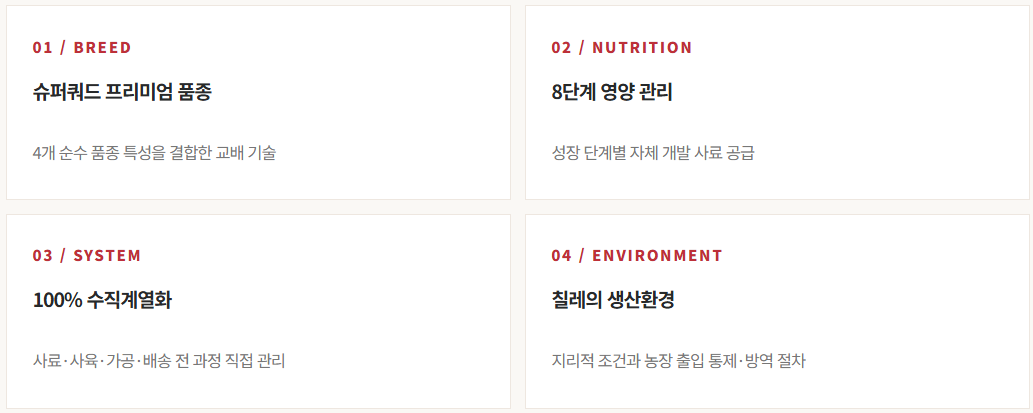
In particular, AgroSuper emphasized its 100% vertical integration, directly managing the entire process from feed production to rearing, processing, and delivery. The company explained that it focuses on managing production history and reducing variations in the quality and specifications of raw meat.
In addition to Chile's natural environment, the company also operates farm access controls and hygiene and disease control procedures. The company highlighted environmental protection, animal welfare, and certifications such as HACCP and BRCGS as elements of its production management.
Korean Market Focuses on Product Understanding Over Volume
Branch Manager Hong stated that rather than directly competing with domestic pork in the Korean market, he would focus on promoting the product's characteristics and usage methods to actual users, such as meat restaurants. He explained that since there are constraints on increasing production volume due to Chile's production permits and conditions, the plan is to expand engagement with the food service industry within the limited supply.
AgroSuper supplies products to the Korean market through domestic distribution partners such as TS Daehan Sugar and Taejin Trade.
※ Matters regarding the company's product lines, production, and certifications, as well as management statistics, are based on event presentation materials and explanations provided by the company.
- #수입육
- #축산물
- #브랜드
- #인터뷰
- #유통
- #품질관리
- #기술
Related Content
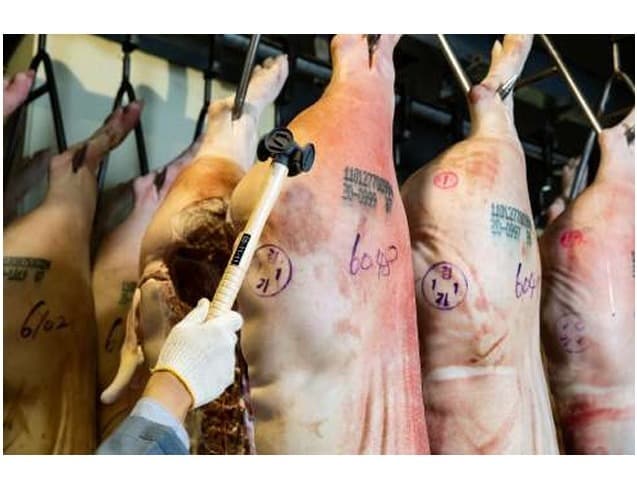
Understanding Meat Correctly / Basic Knowledge of Meat
MEAT ECONOMICS ② Pig | The Value of a Whole Pig The Economics of a Single Pig… From the Carcass to Pork Belly, Ribs, and Specialty Cuts
When talking about a pig, the first cut that comes to mind is pork belly. However, the market value of a pig cannot be explained solely by pork belly.
2026.10.4
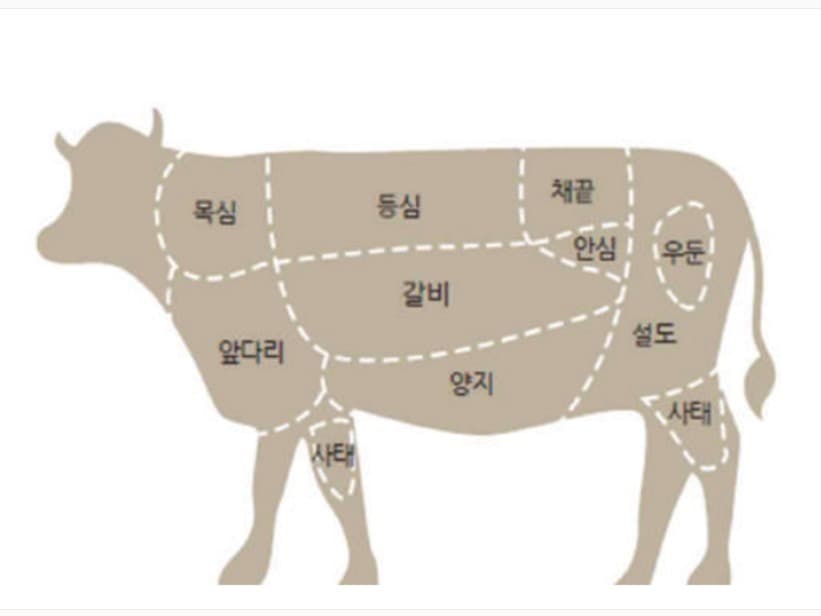
Understanding Meat Correctly / Basic Knowledge of Meat
MEAT ECONOMICS ① Cow | The Value of a Whole: The Economics of a Whole Hanwoo… From One Carcass to ‘Meat’
Just because a cow is slaughtered does not mean that its entire weight becomes the beef we eat.
2026.10.4

URBAN MEAT SHOP
Network and product quality over location… The reason the 15-pyeong Cowjin store established itself in just two years
Cowjin Mokdong Branch is located in Mokdong, Yangcheon-gu, Seoul (Representative Lee Jae-hoon, 1F, 117-36 Sinjeong-dong, Yangcheon-gu, Seoul, 02-2645-6364). The store is approximately 15 pyeong in size. It has been about two years since it opened in July 2024. Cowjin Mokdong Branch has established itself in the area by securing regular customers.
테스트 기관 · 2026