
SPECIAL FOCUS
Spanish meat processing industry announces five-day general strike from November 9 to 13… Concerns over disruptions to pork export supply
126,000 Meat Industry Workers Targeted for Strike Amid Wage Negotiation Stalemate… Actual Participation Scale and Production Disruptions Unconfirmed
With a large-scale general strike in the meat processing industry anticipated in Spain, a major global pork exporter, concerns are being raised that it could affect the operation of slaughter and processing facilities and the production schedule for pork for export.
As negotiations for a national collective bargaining agreement in the meat industry reached a deadlock, the Spanish trade unions CCOO de Industria and UGT-FICA...Nationwide strike for five days from November 9 to 13They announced [the]. They expanded the schedule for industry-wide strikes, which were originally discussed for one day on November 11.
The number of workers in the industry, as stated by the labor union, is approximately 126,000. ThisThis is not the actual number of confirmed strike participants.The scale of the suspension of operations by participating companies and slaughter and meat processing facilities has also not yet been confirmed.
Differences in positions between labor and management over wage increases and working hour reductions
The direct background of this strike is the national collective agreement of the Spanish meat industry.Convenio Colectivo Estatal de Industrias CarnicasIt is a conflict surrounding the renewal.
The union is demanding an annual wage increase of at least 4%, adjustments linked to the Consumer Price Index (IPC), and payment of wage differences resulting from retroactive application. Regarding working hours, they urged a reduction of the maximum annual working hours from the current 1,748 hours to 16 hours, and called for the recognition of a 15-minute daily break as paid working time.
On the other hand, the industrial employers' group ANICE, FECIC, and AGEMCEX proposed a basic wage increase of 3.8% in 2026, 2.5% in 2027, and 2% in 2028. They also proposed additional increases based on inflation, but with an annual cap.
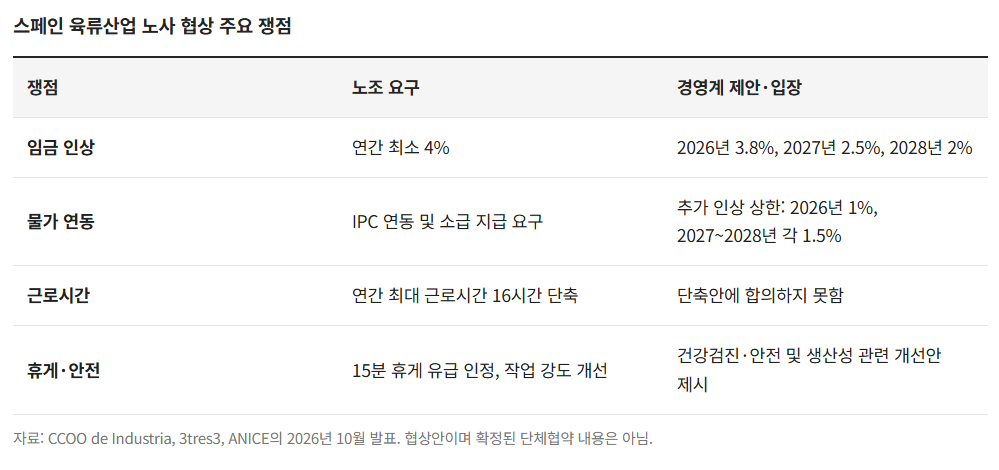
Both sides failed to reach an agreement on wage levels and the scope of improvements to working conditions. While the employers' association announced on October 16 that the mediation process held at the International Monetary and Administrative Agency (SIMA) ended without an agreement, it stated that there is room for further negotiations.
Gifuelo Strike Briefing… Targeting 126,000 Meat Industry Workers

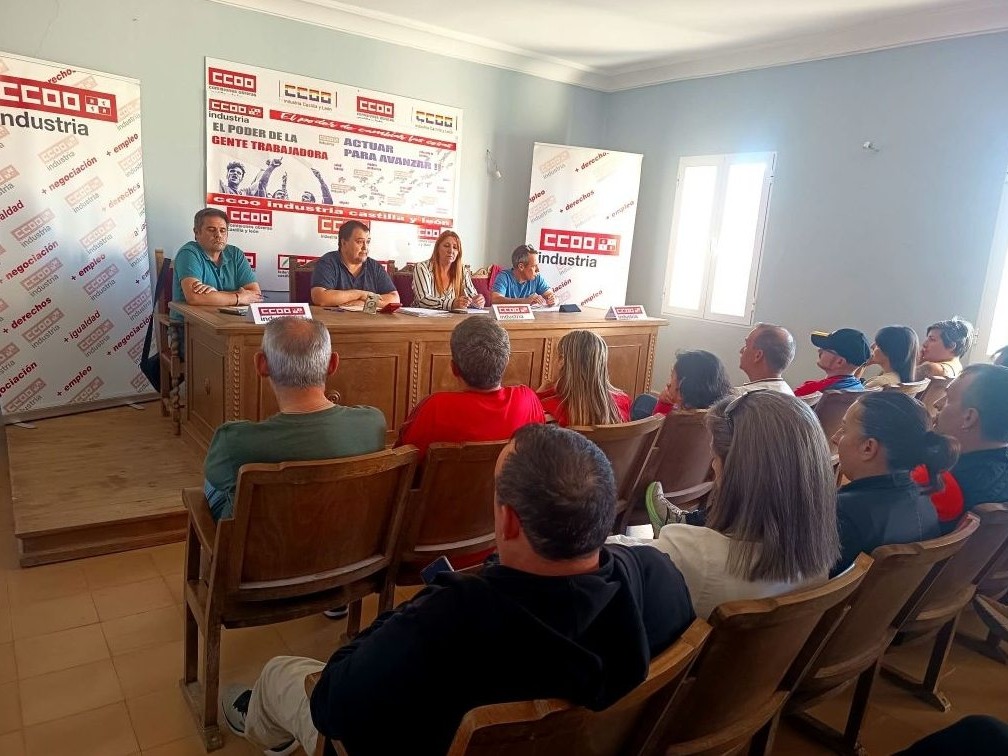
The union is preparing for a strike in major meat-producing regions. In Guijuelo, Salamanca, Spain, a briefing was held on October 14 attended by union officials and meat processing workers.
Gifuello is a region known for the production of Iberico pork and Jamón. At the briefing, CCOO provided an overview of the negotiation progress and strike schedule, and requested that attendees explain the purpose of the strike at their respective workplaces.
While strikes in the Spanish meat processing industry have been announced nationwide, participation may vary by workplace. It has not yet been confirmed that all production facilities will be shut down or exports will be disrupted.
Potential disruptions to slaughtering, deboning, and freezing processes… Impact on shipments to Korea unconfirmed
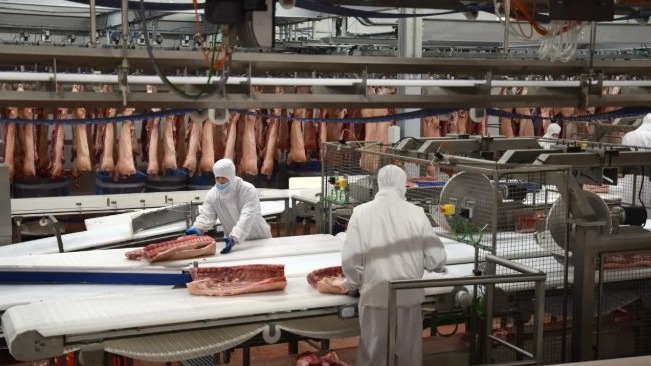
Spain is a major pork producer and exporter in Europe. Since pork is supplied overseas after undergoing processes such as slaughtering, deboning, trimming by cut, refrigeration and freezing, quarantine, and shipment, the operating schedule of production facilities is linked to securing export volumes.
If a prolonged strike by workers at major slaughter and processing facilities occurs, the processing of new slaughter volumes, production of cut meat, and shipment schedules may be delayed. However, the actual impact will vary depending on existing frozen inventory, strike participation rates, and the availability of alternative operations.
In particular, the key points for the domestic imported meat industry to verify are the work schedules of each Spanish supplier and the production and shipment schedules for contracted volumes.So far, it has not been confirmed that cargo bound for Korea has been canceled or shipments suspended due to the strike notice.
The key is whether negotiations are concluded in November.
The employers' group ANICE, FECIC, and AGEMCEX are urging a resolution through negotiation, arguing that labor disputes can impose an economic burden on both workers and companies. On the other hand, the union maintains that it will proceed with the scheduled strike if its demands regarding wages, working hours, and industrial safety are not sufficiently met.
The key variables remaining until the strike are whether labor and management will renegotiate and the scale of participation by workplace. If the strike actually proceeds, it is necessary to assess what impact it will have on the slaughter and processing schedules of Spanish pork, as well as on export supply.
Key Sources and Verification Materials
- #수입육
- #유통
Related Content
SPECIAL FOCUS
Chicken Supply Rises, But Cuts Are Short… Mixed Supply and Demand Battle Amidst November Price Drop
The broiler market in November is expected to face increasing downward price pressure due to the rise in slaughter volume. However, it is difficult to conclude that the overall supply and demand in the chicken market has become sufficient based solely on the increase in supply.
2026.11.6
SPECIAL FOCUS
U.S. Government to Purchase $41 Million in Pork… Supporting Market Stabilization for Agricultural, Livestock, and Fisheries Products
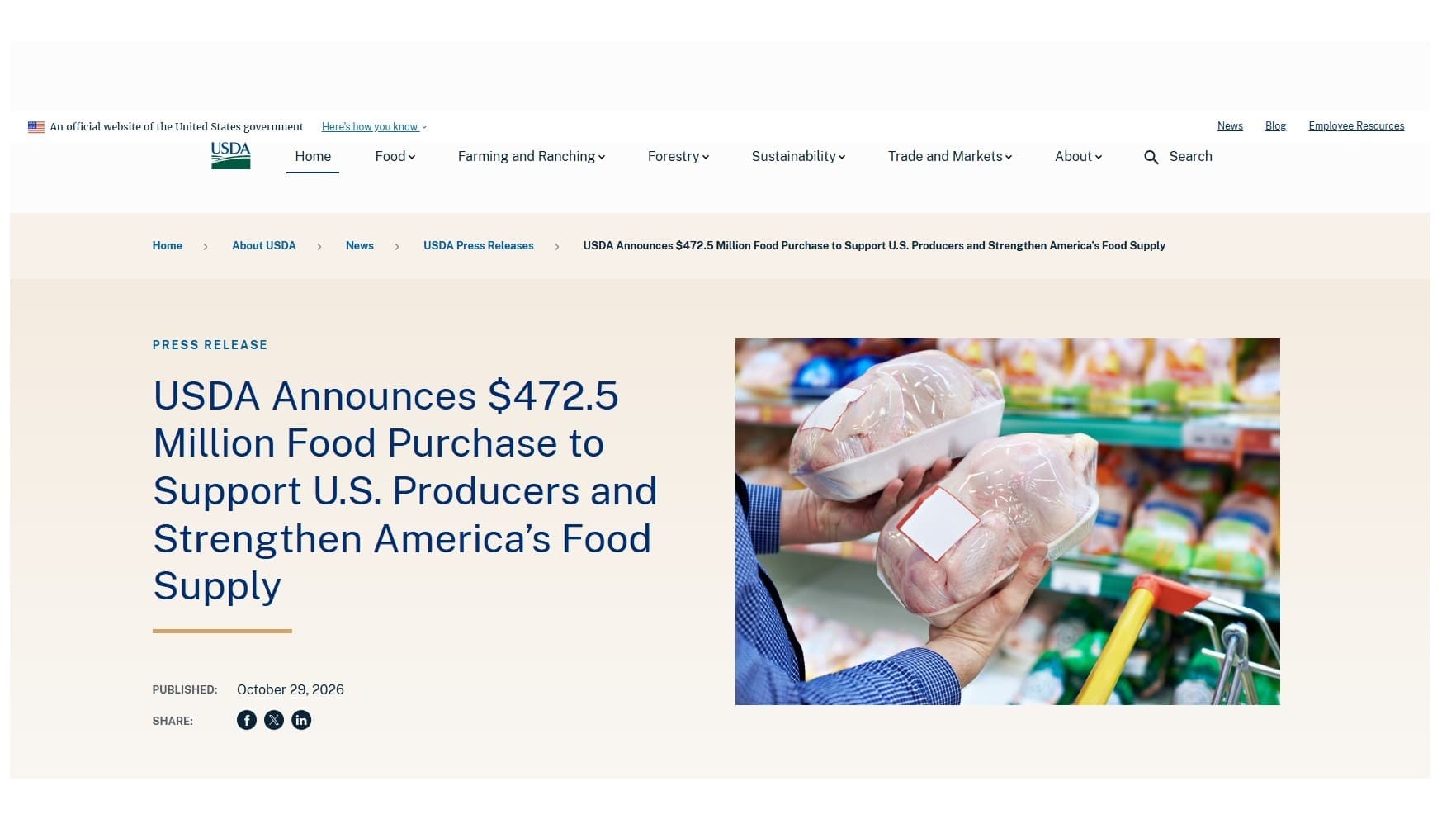
The U.S. Department of Agriculture (USDA) announced a plan to purchase agricultural and fishery products worth a total of $472.5 million, including $41 million in pork and $20 million in chicken.
2026.11.1

SPECIAL FOCUS
Pork trotters restaurants have changed, but the raw material market remains the same… What is the way out for domestic pork trotters?
The fact that domestic pig's trotters are not selling does not mean that consumption of pig's trotters has disappeared. The issue lies in how well the market supplying the raw materials has kept pace with the changes in how consumers select and order pig's trotters.
2026.10.29