
Issues & Insights
Japan Begins Review of ASF Localization for Spanish Pork
Assessment of localization at the province level requested by Spain… Attention on whether import ban will be lifted

The Japanese government will officially review whether to apply "zoning," a classification of regional risk levels, to Spanish pork, the import ban imposed due to the outbreak of African Swine Fever (ASF). As Spain was a major exporter supplying approximately 170,000 tons of pork to Japan annually prior to the import ban, there are concerns that the results of the review could affect not only both countries but also the imported meat market in Korea.

Japan, formal consultation on risk assessment on October 29
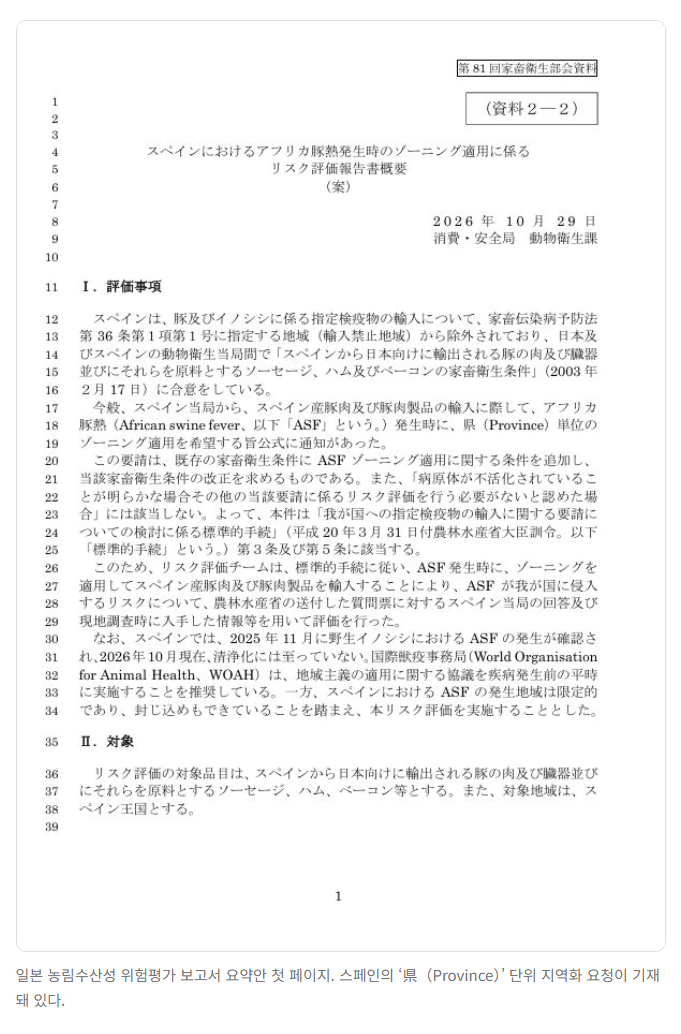
The Japanese Ministry of Agriculture, Forestry and Fisheries addressed the ‘Risk Assessment on the Application of Localization in the Event of an ASF Outbreak in Spain’ as a formal advisory item at the 81st Livestock Health Subcommittee meeting held on October 29, 2026. This is not a decision to approve the resumption of imports of pork from Spain. It is a procedure to deliberate on the feasibility of application based on previously secured Spanish disease control data and a draft risk assessment.
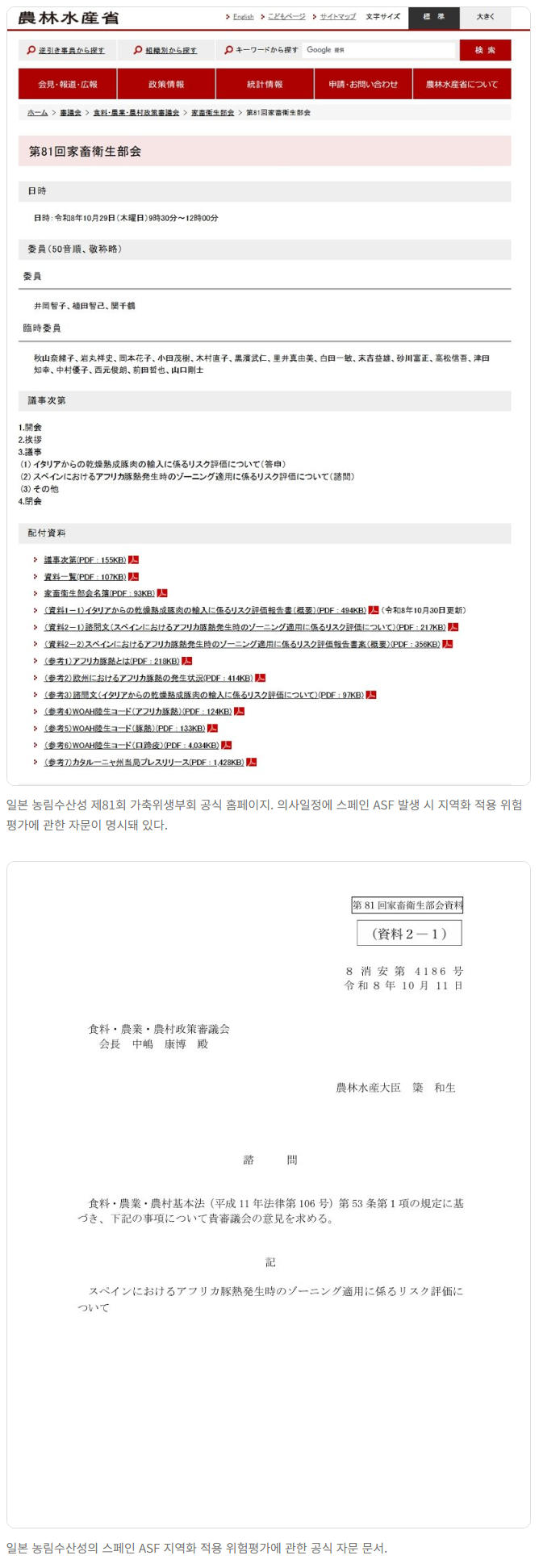
What Spain requested was localization at the ‘50 Province level’
Japanese government documents translate Spain's request into Japanese.‘Province’...stated. HereProvinceIt refers to an administrative district under an autonomous region in Spain. Spain consists of 17 autonomous regions and 2 autonomous cities, and there are 50 provinces under the autonomous regions. For example, the autonomous region of Catalonia includes 4 provinces, such as Barcelona, Girona, Leida, and Tarragona.
Spain requested that risks be distinguished between affected and non-affected regions based on these Provinces, rather than uniformly banning pork imports from the entire country in the event of an ASF outbreak. However, even if regionalization is approved, the import of products from non-affected regions is not automatically permitted. The actual exportable regions, items, and quarantine conditions will be determined based on Japan's assessment and consultations between the two countries.
400 Infected Wild Boars… No Cases Reported in Farmed Pigs
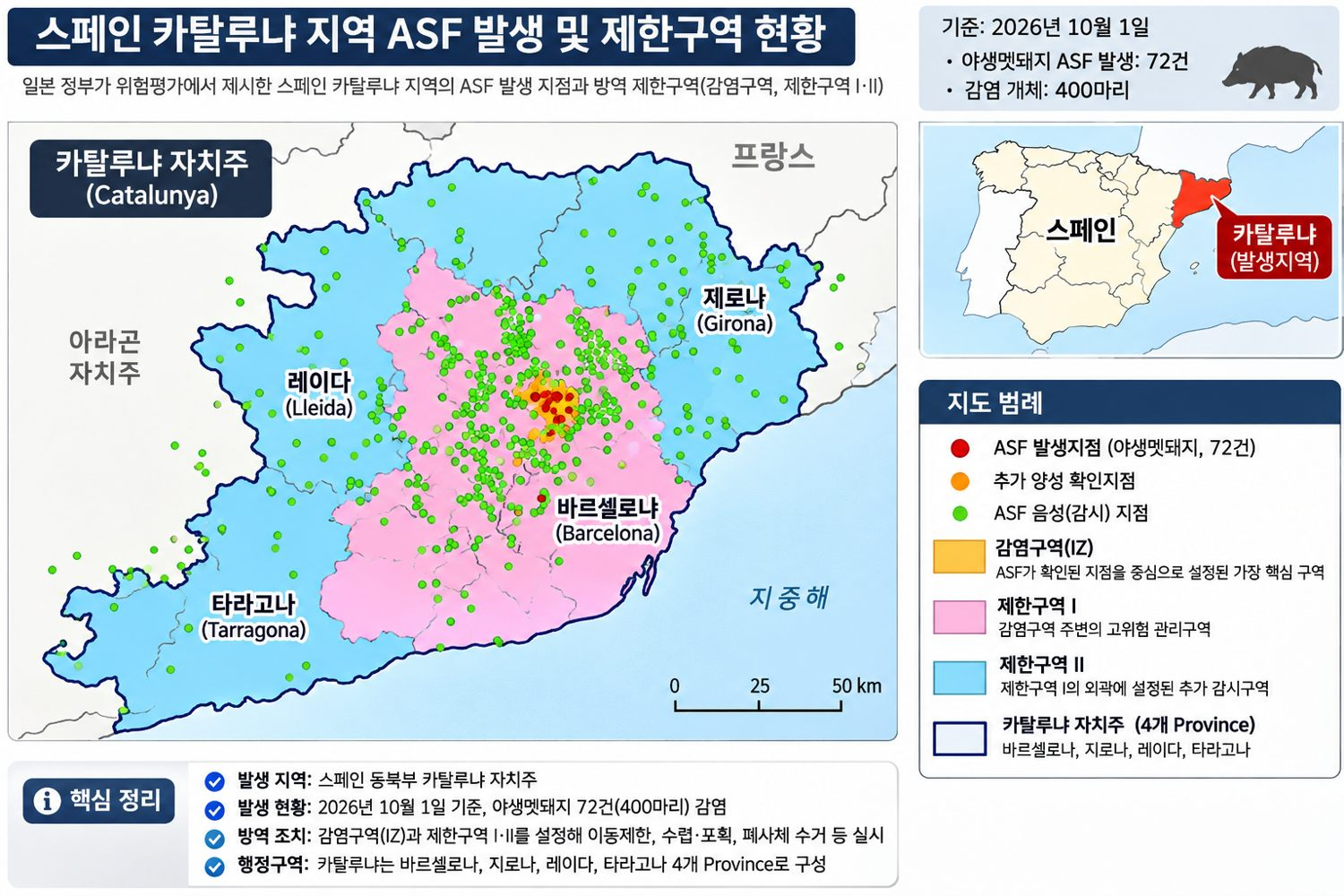
According to risk assessment data from Japan's Ministry of Agriculture, Forestry and Fisheries, ASF was confirmed in wild boars in the Catalonia region of Spain in late November 2025.72 cases as of October 1, 2026, 400 wild boarsInfections have been confirmed, and based on the data, no ASF outbreaks have been reported in farmed pigs. This does not mean that Spain has achieved ASF-free status.
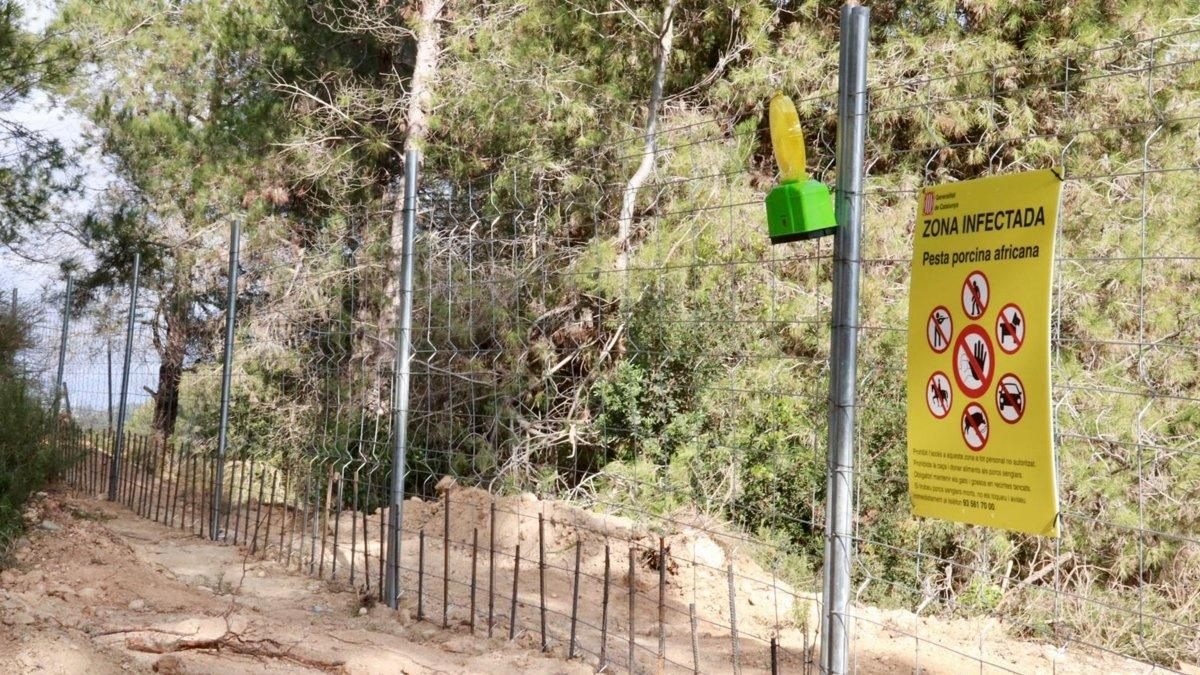
Spanish authorities have been carrying out search and capture of wild boars, collection of carcasses, installation of fences, and movement control measures. Japanese risk assessment data indicates that approximately 2,500 wild boars were removed within the infected area and approximately 4,500 in the surrounding buffer zone (white zone). These figures represent the disease control performance at the time the data was compiled.
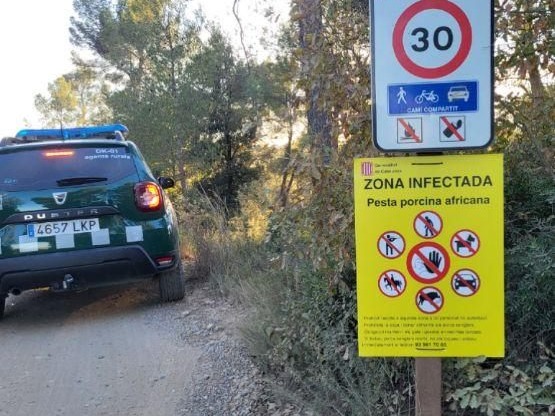
Catalonia ASF restricted area
To understand the scope of ASF outbreak areas, it is necessary to distinguish between wild boar testing points and EU restricted zones. The map below is a visual aid reconstructed for reader understanding.In the original, pink is Restricted Area II, and blue is Restricted Area I....corresponds to. However, since the boundaries and legends of the reconstructed image have not been verified to completely match the original,It must not be used as a map for accurately determining restricted areas.
Verification of farm, movement tracking, and slaughterhouse management
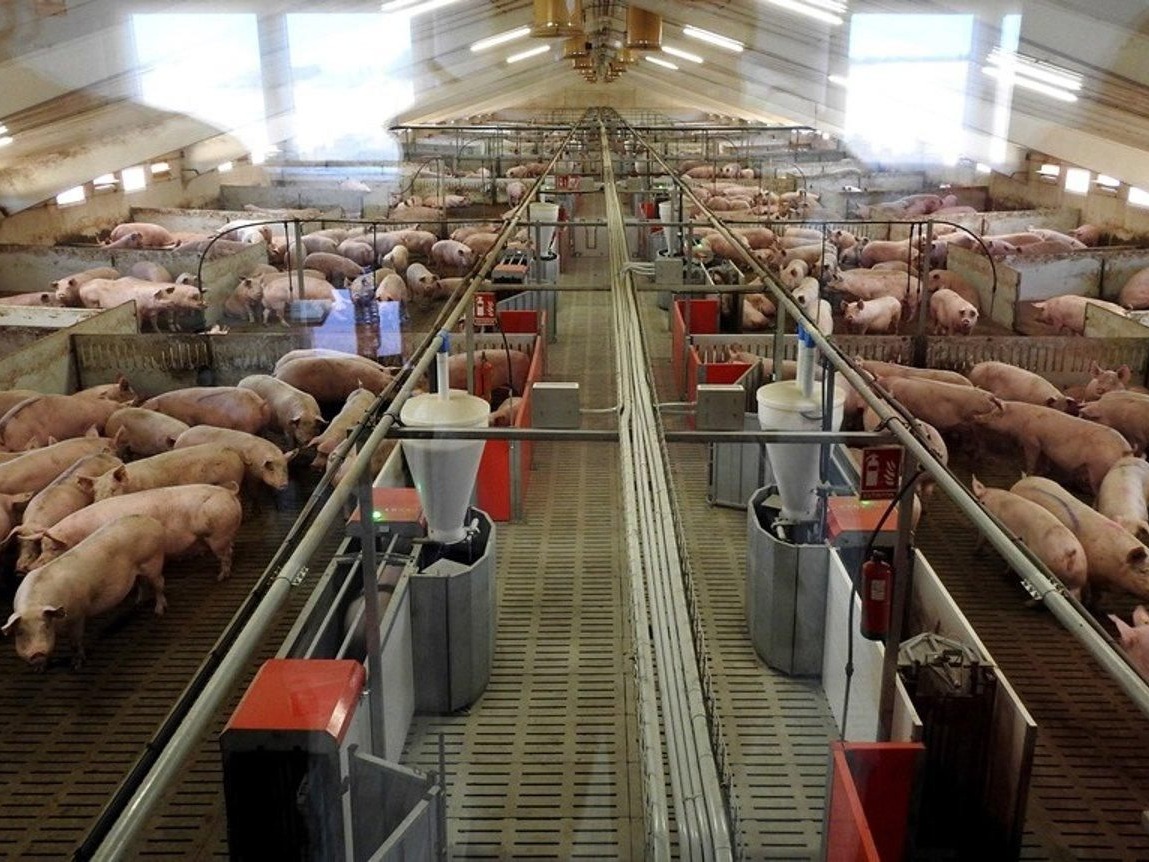
What Japan is reviewing is not simply where ASF has occurred. It is a process of verifying whether Spain's farm registration, livestock movement management, testing of suspected infected animals, slaughterhouse hygiene management, and export quarantine certification system can actually prevent regional risks.
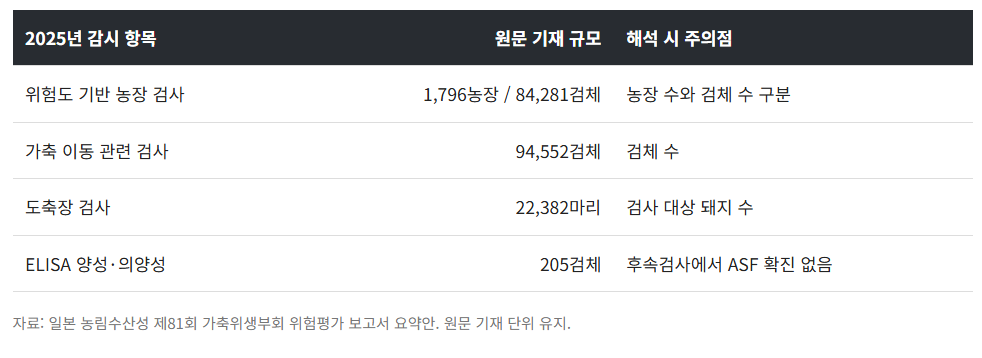
Spain operates farm registration (REGA), animal movement management (SITRAN·REMO), individual identification (RIIA), and export quarantine management (CEXGAN). The 2025 inspection performance figures presented in Japan's draft risk assessment include 1,796 risk-based farm inspections and 84,281 samples, 94,552 movement-related inspections, and 22,382 slaughterhouse inspections. Since these have different inspection units, they should not be aggregated and expressed as a single inspection count.
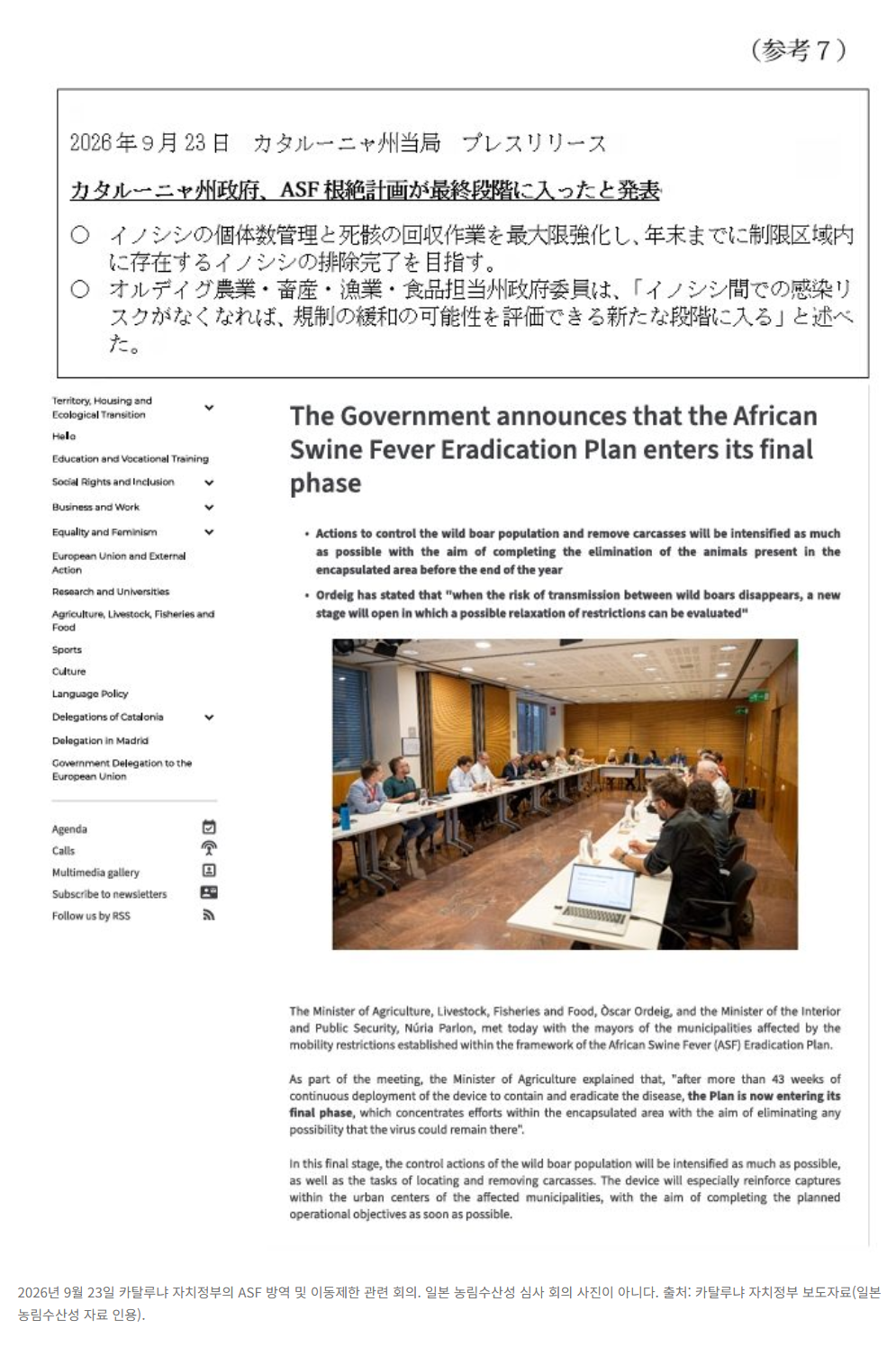
Spain Announces ‘Final Stage’ of Disease Control Plan… Separate from Japan’s Review
The Catalan autonomous government announced that its plan to eradicate African Swine Fever (ASF) entered its final phase on September 23, 2026. The plan involves strengthening wild boar population management and carcass collection in infected areas, and evaluating the possibility of easing restrictions once the risk of transmission disappears. This is an explanation of the Catalan government's disease control plan and does not imply approval of the resumption of imports by Japan or the end of ASF.
Expected scenario for the resumption of Japanese imports of Spanish pork
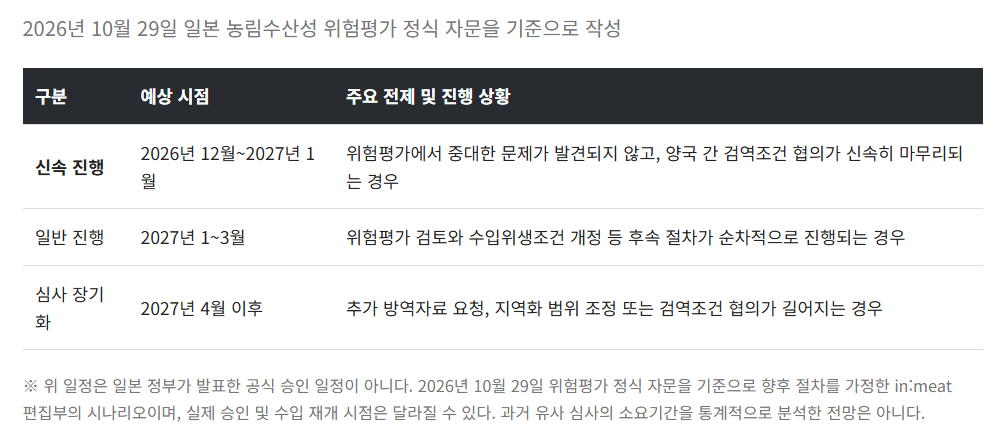
As the Japanese government begins reviewing the application of localization to Spanish pork, attention is also focused on the timing of future approvals.
However, this Livestock Health Subcommittee meeting was merely a formal consultation stage regarding the risk assessment, and the Japanese Ministry of Agriculture, Forestry and Fisheries did not present a schedule for final approval or the resumption of imports.
If no significant issues are identified in future risk assessments and consultations on quarantine conditions between the two countries proceed smoothly, it can be assumed that follow-up procedures could be completed as early as late 2026 or early 2027. On the other hand, if the submission of additional data or adjustments to the scope of localization are required, the review could continue until after the second quarter of 2027. This is a conditional scenario, not an official forecast.
However, the approval of localization and the actual resumption of pork imports are separate steps.Even if the Japanese government recognizes regionalization, actual trade can only resume once follow-up procedures, such as determining eligible import regions, revising sanitary conditions, and issuing quarantine certificates, are completed.
Therefore, it is necessary to examine not only whether the Japanese market will reopen, but also the actual regions and product ranges available for import, as well as the timing of when importers will resume purchasing.
How much Spanish pork did Japan import?
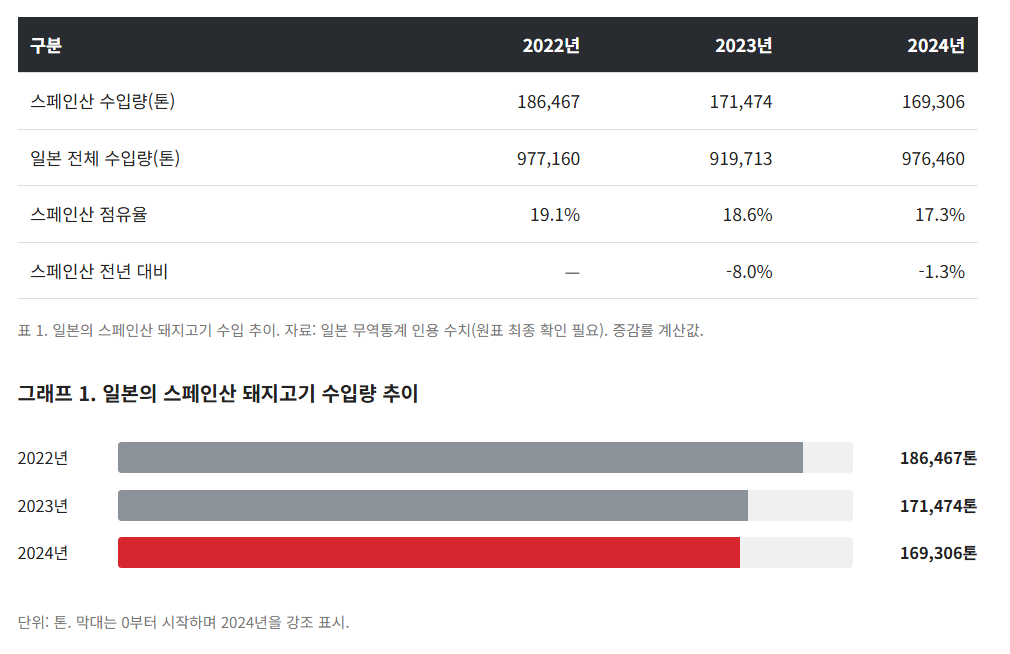
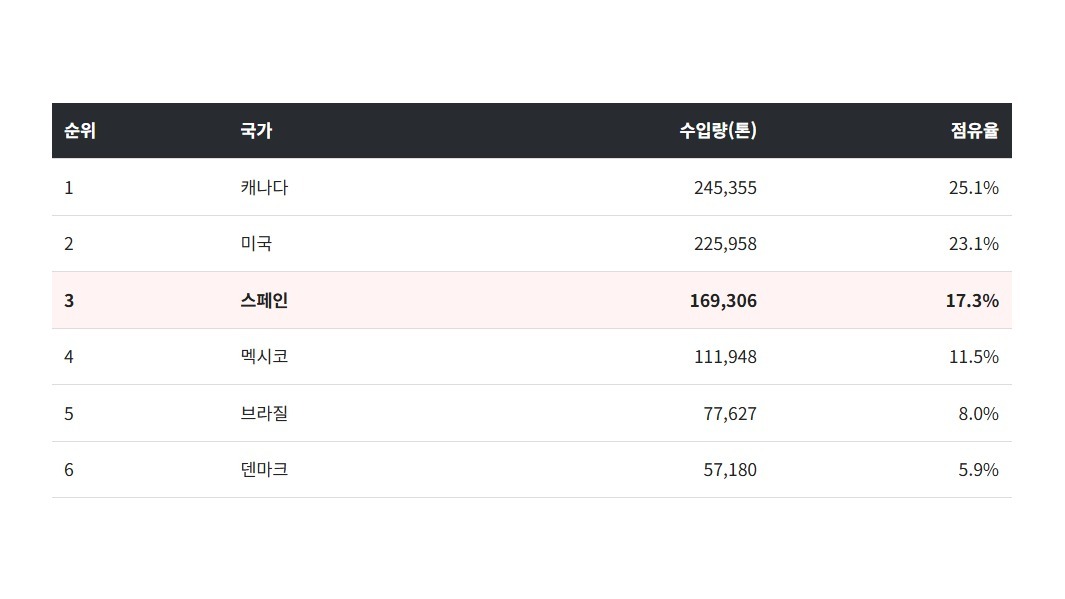
Spain's share of the Japanese market is significant. According to figures citing previously obtained Japanese trade statistics, Japan's imports of Spanish pork in 2024...169,306 tonswith a total import volume of 976,460 tons17.3%It was the third largest supplier after Canada and the United States.
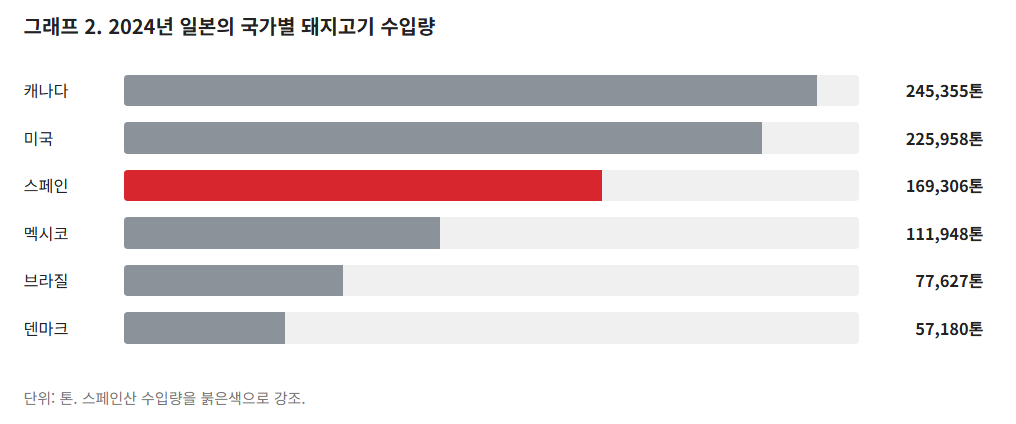
Comparing import volumes by country in 2024, Canada ranked first with 245,355 tons, followed by the United States with 225,958 tons and Spain with 169,306 tons. Spain showed a larger supply volume than Mexico, Brazil, and Denmark.
If Japan resumes imports of Spanish pork, it effectively reopens a major sales channel for the Spanish export industry. As Korea is also a key import market for Spanish pork, Japan's resumption of purchases could become a variable in the volume allocation and competition for frozen pork cuts among exporters. However, the actual impact on prices and supply will vary depending on the permitted regions, product categories, timing of the resumption, and market conditions.
Ultimately, the key point to watch in this review is not just whether imports will resume. The core issue is which Province Japan will recognize and under what conditions, and as a result, how much the annual supply of Spanish pork, which was about 170,000 tons, can be recovered.
Source materials and verification paths
②Summary of the Spain ASF Regional Risk Assessment Report
③Official Advisory Document on Spanish Localization Risk Assessment
- #수입육
- #축산물
- #유통
Related Content
SPECIAL FOCUS
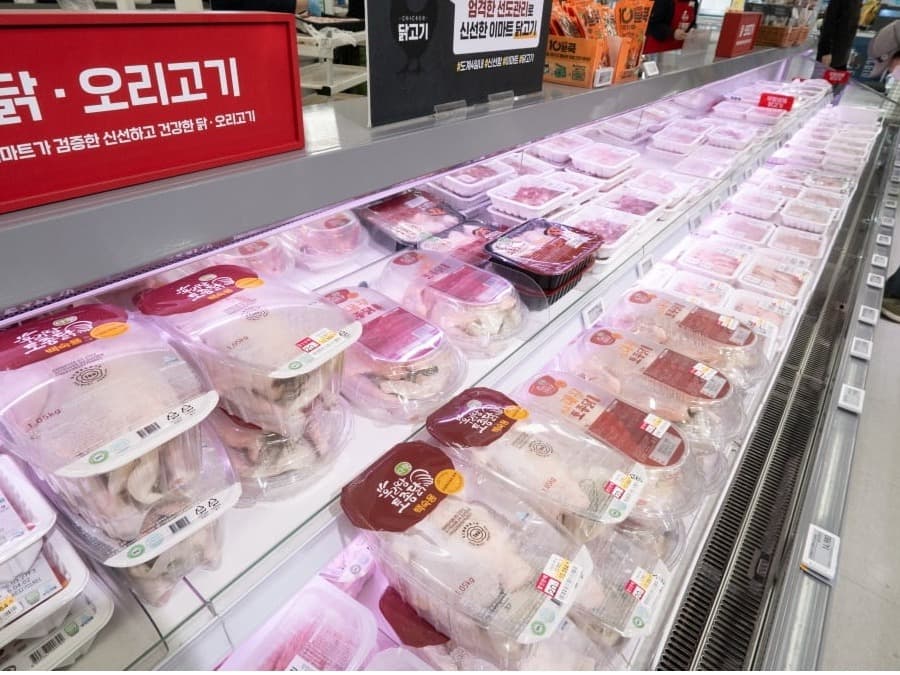
Chicken Supply Rises, But Cuts Are Short… Mixed Supply and Demand Battle Amidst November Price Drop
The broiler market in November is expected to face increasing downward price pressure due to the rise in slaughter volume. However, it is difficult to conclude that the overall supply and demand in the chicken market has become sufficient based solely on the increase in supply.
2026.11.6
terrestrial broadcast
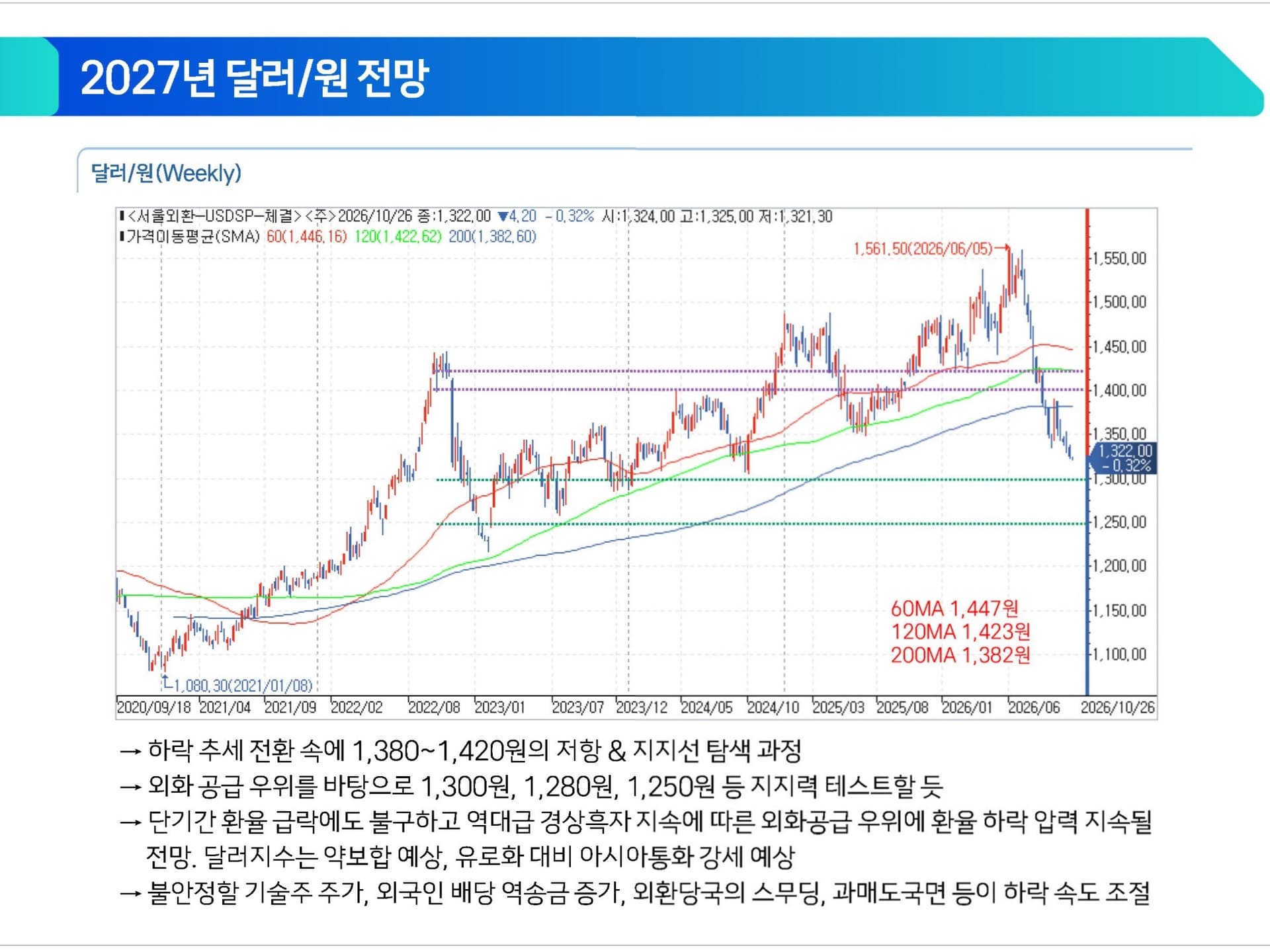
Dollars piling up in Korea… Will the exchange rate head below 1,300 won next year?
If the power to earn dollars is stronger than the demand to buy them, how low will the exchange rate fall? For Jung Mi-young, Director of the Research Center at Samsung Futures, who looks ahead to next year's won-dollar exchange rate, the starting point is the volume of dollars flowing into Korea.
2026.11.2
SPECIAL FOCUS
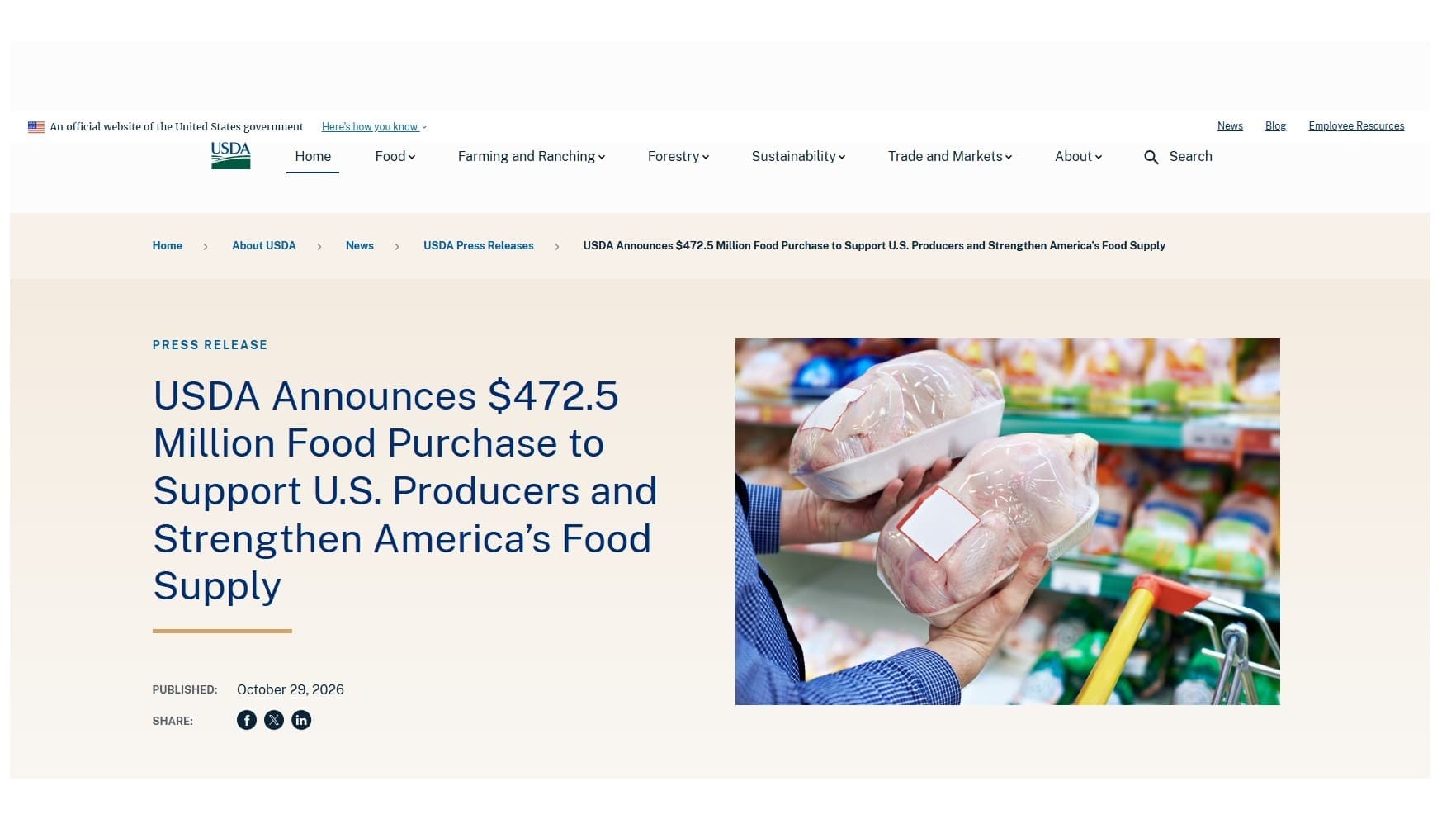
U.S. Government to Purchase $41 Million in Pork… Supporting Market Stabilization for Agricultural, Livestock, and Fisheries Products
The U.S. Department of Agriculture (USDA) announced a plan to purchase agricultural and fishery products worth a total of $472.5 million, including $41 million in pork and $20 million in chicken.
2026.11.1