
ON THE FIELD
Korean Pork Restaurants Become K-Food Tourism Courses… The ‘Han-don Belt’ Connecting Seoul, Busan, and Jeju
The Korea Pork Self-Funding Committee sets out to expand the Korean pork consumption market through gourmet experiences for foreigners.
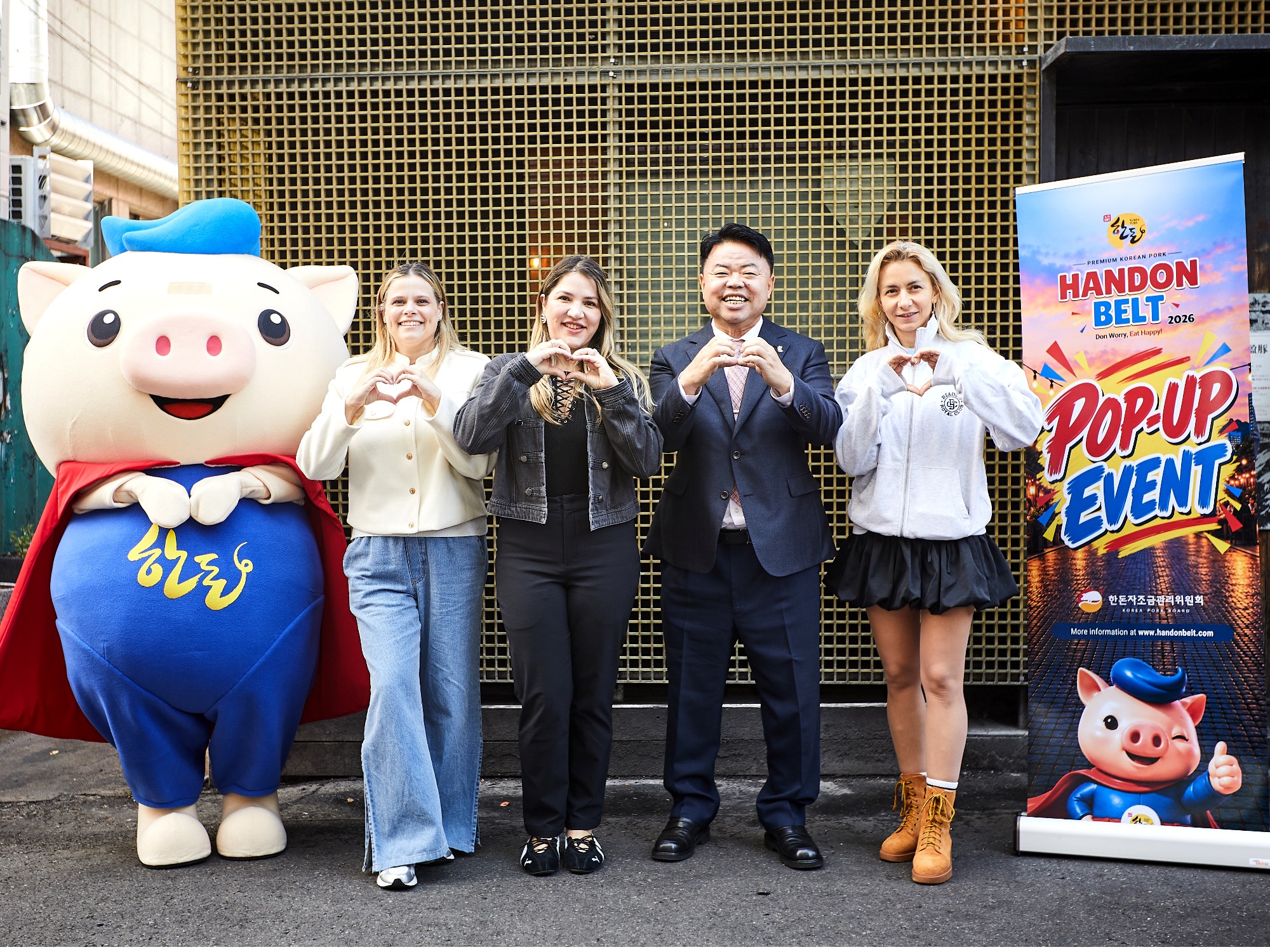
Pork restaurants frequented by Koreans are transforming into K-food tourism hubs to introduce the taste of Korean pork and Korean grilling culture to foreigners. The plan is to connect pork restaurants with unique regional characteristics—ranging from charcoal-grilled specialty restaurants in Seoul to Busan’s cast-iron lid pork belly and Jeju’s black pork—to drive foreigners’ experience of Korean food into actual consumption of Korean pork.
The Korea Pork Self-Funding Management Committee (Chairman Lee Ki-hong) announced on the 21st that it successfully concluded the ‘HanDon Belt Seoul Pop-up Event’ held for foreigners at Namyeongdon in Yongsan-gu, Seoul.
This event was organized as part of the ‘K-PORK Han-don Belt’ campaign promoted by the Korea Pork Self-Help Fund, designed to introduce the taste and quality of Korean pork to foreigners and allow them to experience Korea’s unique grilled pork culture firsthand.
Seoul Namyeongdon, Busan Mokgumeong, Jeju Heukdongga… Representative Restaurants Selected by Region
The core of the Handon Belt lies in discovering Handon restaurants that foreigners would actually want to visit and connecting them to regional gourmet experiences.
The Korea Pork Self-Funding Committee selected Namyeongdon in Seoul, Mokgumeong in Busan, and Heukdongga in Jeju as pop-up event venues by combining the results of recommendations from domestic consumers from the ‘2026 Korean Pork Restaurant Discovery Event’ held last August and a survey of foreigners on ‘the Korean pork restaurant they most want to visit by region.’

These three places are restaurants known for their distinctive pork menus and grilling methods.
Yongsan-gu, SeoulNam Young-donIt is a charcoal-grilled meat specialty restaurant that has gained popularity for special cuts of pork such as pork jowl and pork shoulder. It is characterized by the way meat is grilled over real charcoal and served with various fermented seafood and sauces, and it is so popular that long queues form.
Busan throatIt is a barbecue restaurant brand known for its pork belly grilled on a cast-iron lid. Characterized by thick pork belly grilled on a cast-iron griddle and served with water parsley, it showcases another charm of Korean-style grilled pork.
Jeju HeukdonggaIt is a representative black pork specialty restaurant in Jeju. It is famous for its method of grilling thick cuts of black pork over charcoal and enjoying them with Meljeot, a Jeju-style anchovy sauce. It is a place where you can experience Jeju's unique pork culinary culture.
The defining feature of the Handon Belt is the opportunity to experience the distinct pork grilling methods and culinary cultures of each region. The aim is to go beyond simply tasting Korean pork and allow visitors to enjoy regional gourmet experiences while traveling in Korea.
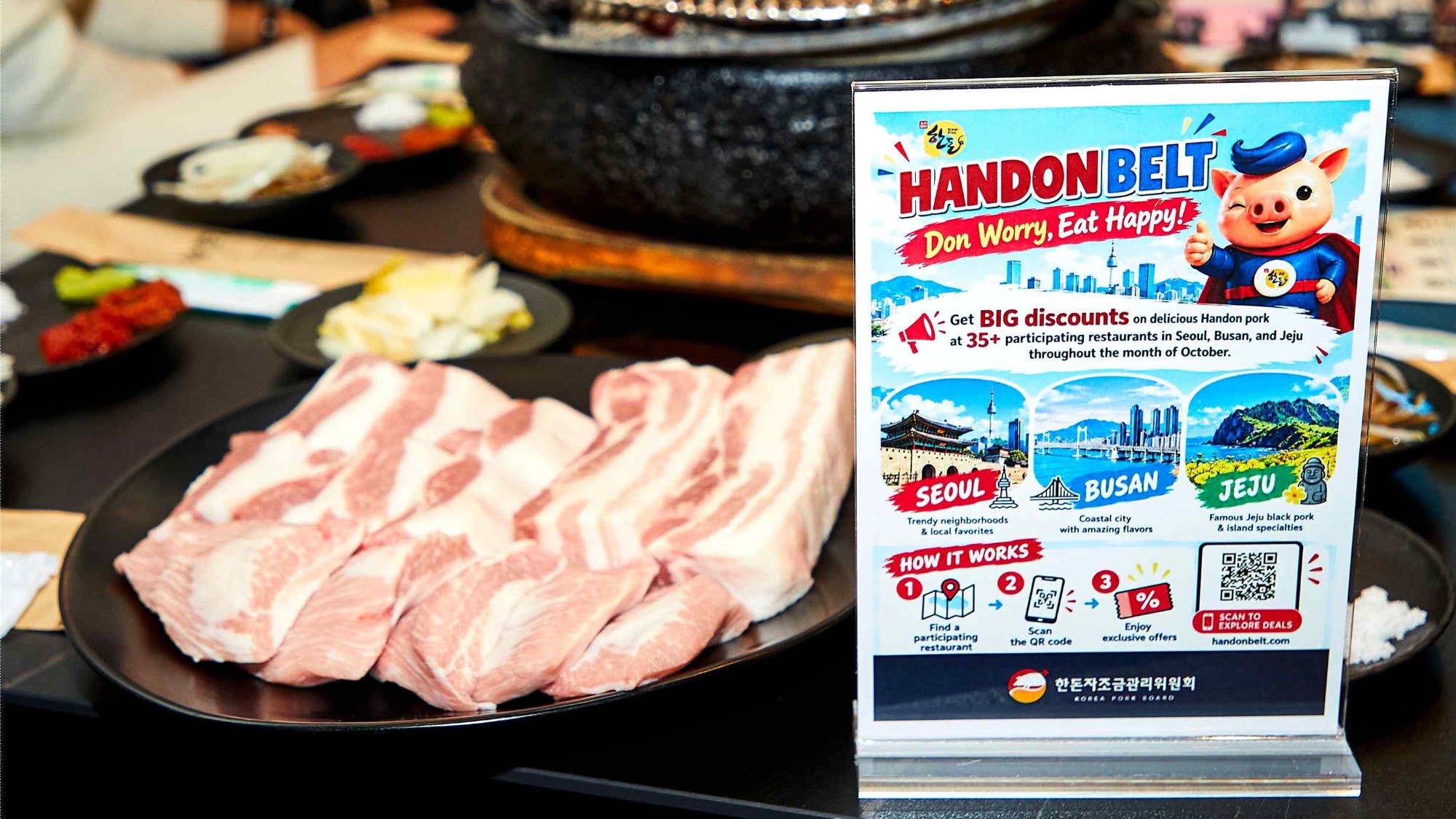
About 50 foreigners experience everything from grilled Korean pork to traditional liquor.
About 50 people attended the Seoul pop-up event on this day, including foreign participants selected through pre-registration and foreign influencers.
Participants tasted Namyeongdon's signature dishes, such as pork belly, pork jowl, and pork shoulder, and experienced Korea's unique charcoal grilling culture. The program was designed to allow them to experience the different textures and flavors of each cut and appreciate the charm of Korean-style grilled pork.
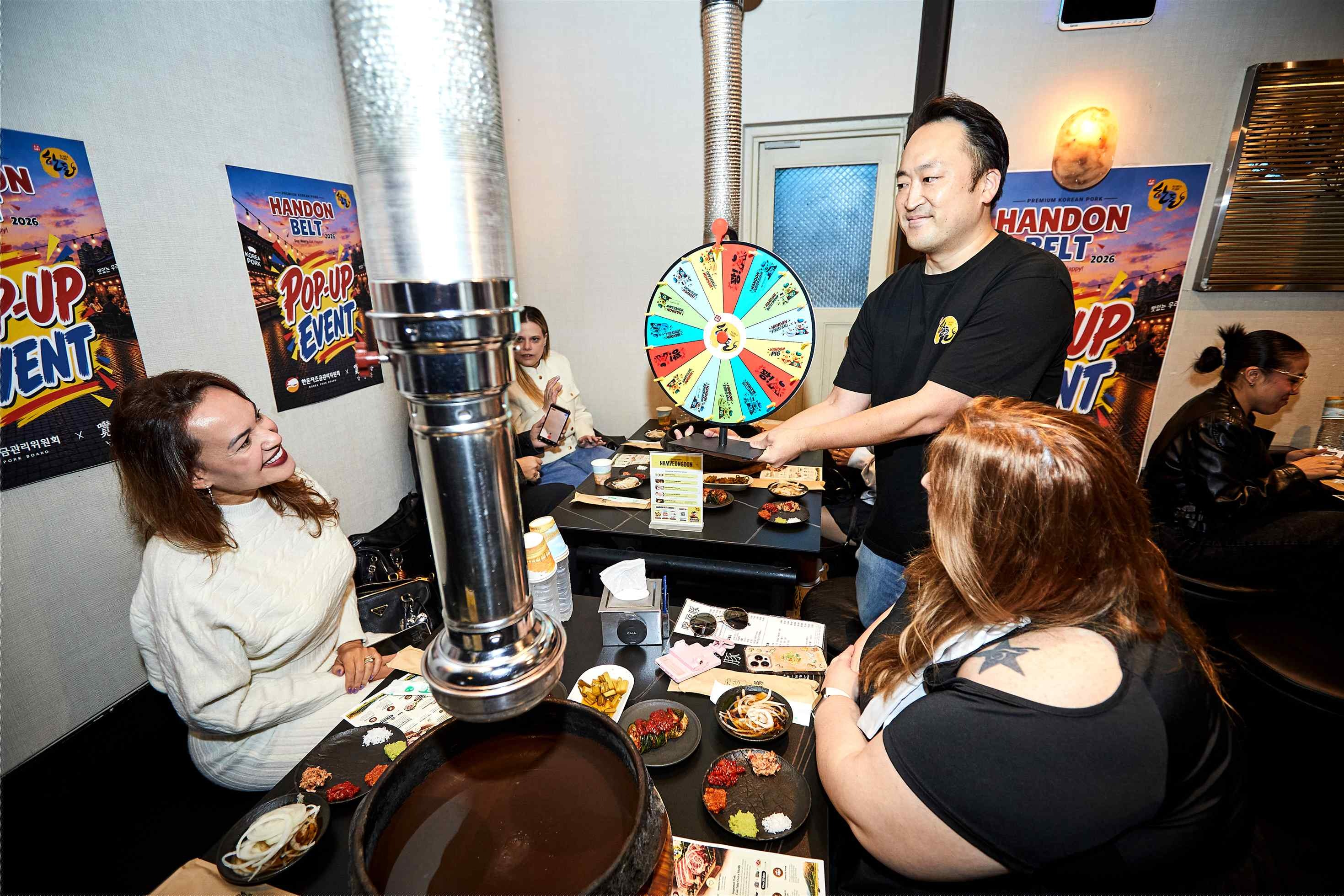
This event is also noteworthy as an attempt to translate foreigners' preference for Korean food into actual consumption of Korean pork.
In a survey of foreigners conducted by the Korea Pork Self-Help Fund last September, pork belly ranked first as ‘most favorite Korean food’ with 57.2% and as ‘most favorite Korean pork dish’ with 52.6%.

The strategy is to introduce Korean pork by featuring pork belly, which is already familiar to foreigners, and to expand interest to various other cuts such as pork jowl and pork shoulder.
Expanding beyond promoting Korean pork consumption into K-Food content
The Korea Pork Self-Funding Committee plans to use this event as an opportunity to expand gourmet experiences for foreigners, focusing on famous Korean pork restaurants in major tourist areas such as Seoul, Busan, and Jeju.
The purpose is to expand the promotion of Korean pork, which has previously focused on domestic consumers, to foreigners as well, and to develop Korea's grilled pork culture into a K-food content.
The level of pork consumption in our country also demonstrates the basis of this food culture.
According to the OECD-FAO ‘Agricultural Outlook 2026-2035’ data cited by the Korea Pork Self-Help Fund, Korea’s per capita pork consumption in 2025 is projected to be 29.8 kg, surpassing China (29.3 kg), Vietnam (28.6 kg), Russia (24.2 kg), and the United States (20.6 kg). This is approximately 45% higher than the OECD average of 20.6 kg.
Lee Ki-hong, Chairman of the Korea Pork Self-Funding Management Committee, stated, “Now it is time to widely promote the taste and excellence of Korean pork, which is loved by the people, to the world.” He added, “Starting with this ‘Han-don Belt’ pop-up, we will expand opportunities for foreigners to directly experience the taste of Korean pork and Korean food culture, and strive to ensure that Korean pork establishes itself as a beloved ingredient on tables around the world.”
Meanwhile, the Korea Pork Self-Funding Committee is conducting a nationwide consumption promotion campaign called "100 Days to Get Closer with Korean Pork" from October 1, starting with Korean Pork Day, until the end of the year.
The Han-don Belt is also scheduled to be operated as a program linked to this campaign to encourage foreigners to visit restaurants and consume Han-don. Moving forward, the extent to which experience-based promotion translates into actual restaurant patronage and sustained Han-don consumption is expected to be a key criterion for gauging the project's success.
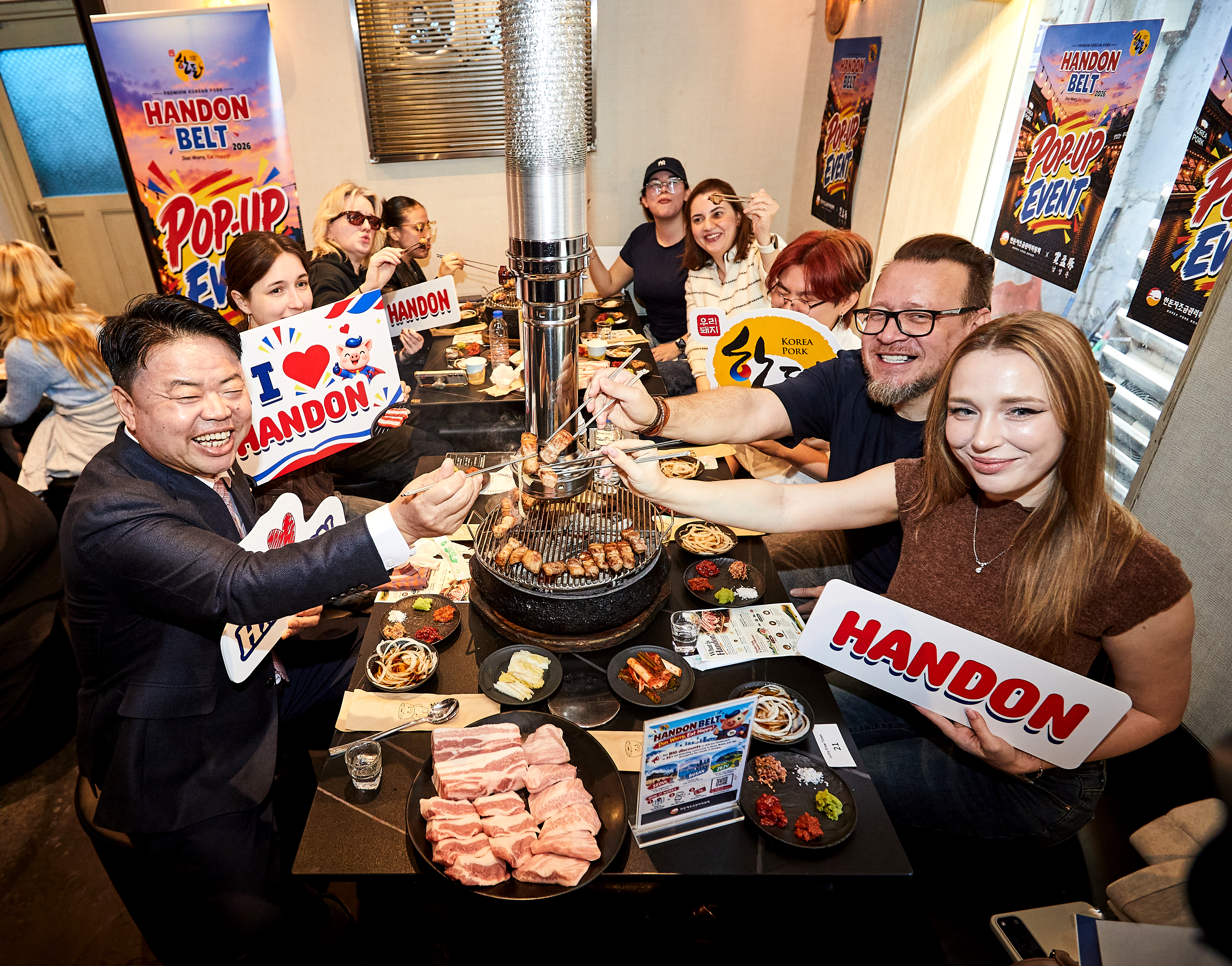
- #축산물
- #브랜드
- #유통
Related Content
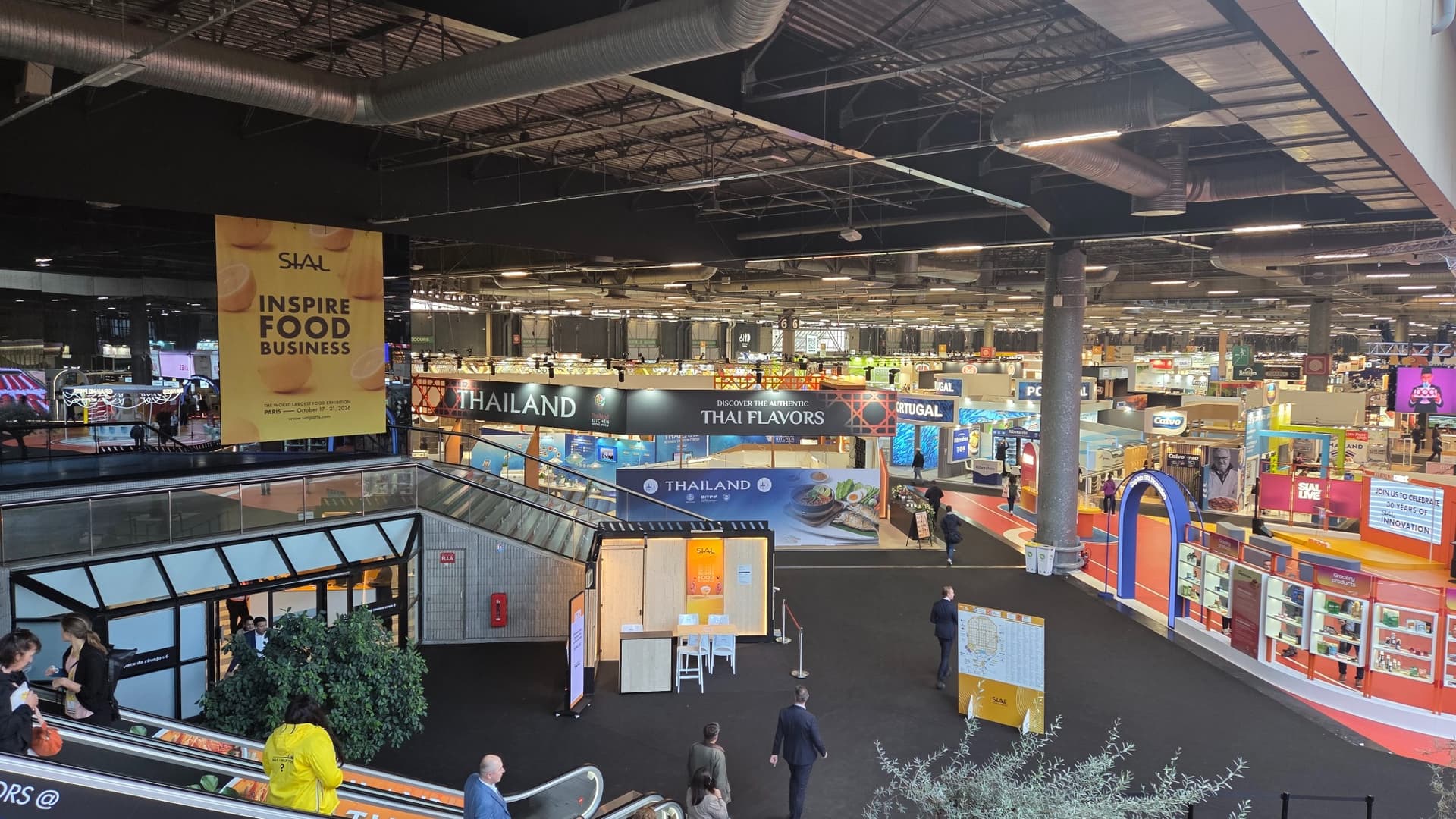
Global Field Report
South American Beef Makes a Strong Presence… Meat Export Competition at SIAL Paris 2026
South American beef companies stood out in the meat section of SIAL Paris 2026, where the global food industry gathered.
2026.11.1
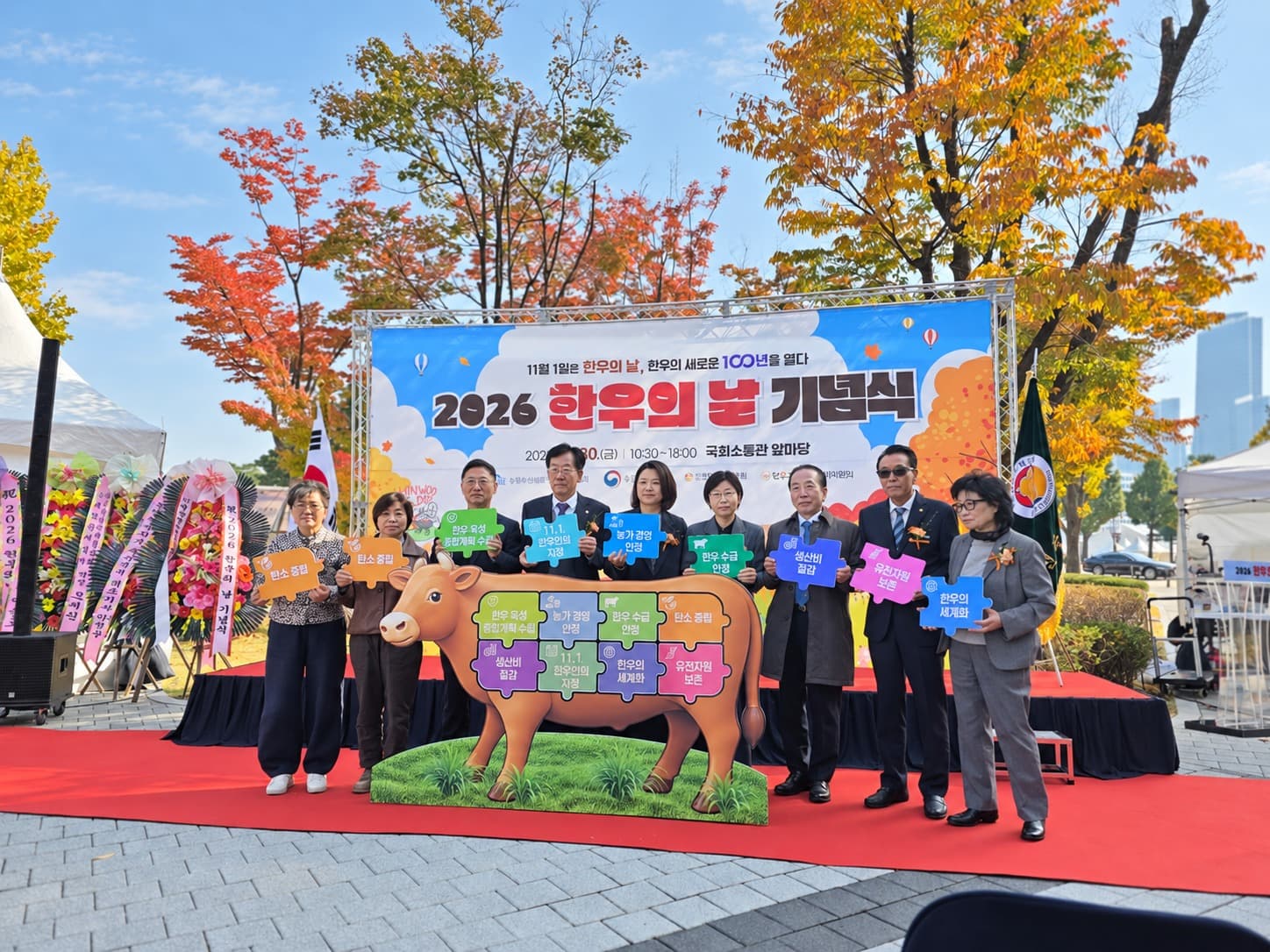
On-site coverage
Hanwoo Association to Hold 'Hanwoo Professionals' Day' Ceremony at National Assembly on October 30… Pledges a New Century for the Industry
The National Hanwoo Association held a ceremony commemorating the first statutory Hanwoo Day at the plaza in front of the National Assembly Communication Center on October 30.
2026.10.31
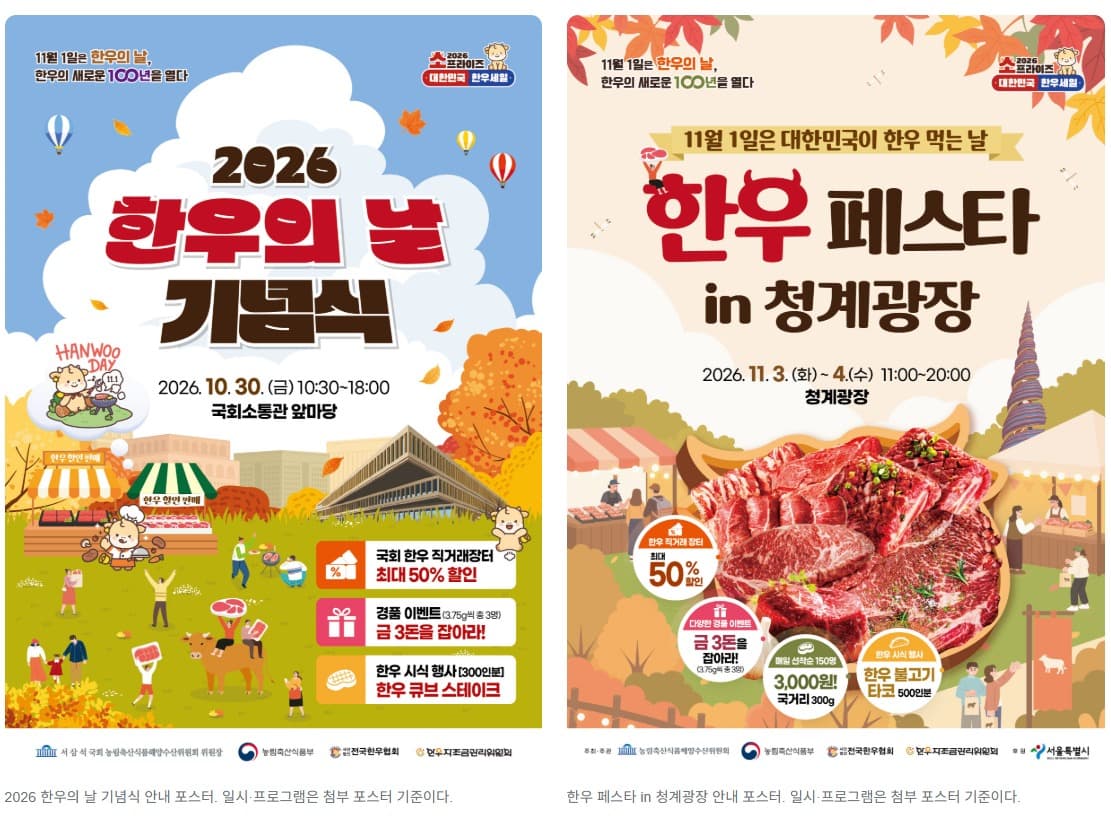
On-site coverage
‘Sorprise’ Ahead of Hanwoo Day… Up to 63% Off at 1,811 Locations Nationwide
Ahead of ‘Korean Beef Day’ on November 1, discount events for Korean beef are being held at online and offline stores nationwide. The Ministry of Agriculture, Food and Rural Affairs announced on October 27 that it will hold the ‘So-prize Korea Hanwoo Sale’ for 12 days from October 28 to November 8.
2026.10.27